Bhutan Is For You: Trip Delights
Travel your way, with tailored ideas that deliver the very best.
GNH - Conscience of the Nation
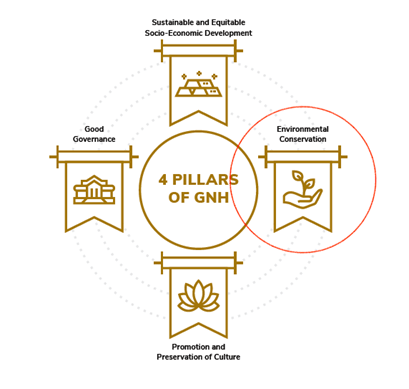
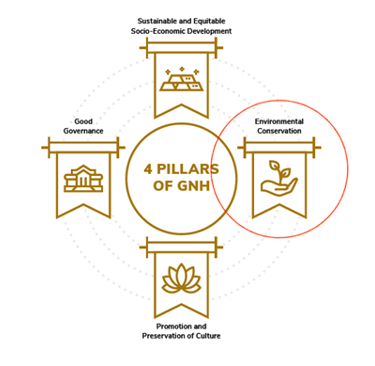
Gross National Happiness or GNH is based on the premise that economic development alone does not guarantee wellbeing and happiness. In this recognition, every developmental initiatives must take into account balanced socio-economic development, cultural preservation, environmental conservation, and good governance known as the Four Pillars of GNH.
While it seeks to balance the needs of the body with those of the mind, today, all state policies are obliged to align with GNH. It must go through GNH screening, and uphold the its principles. GNH acts as the National Conscience guiding towards making wise decisions for a better future."
Know your Bhutan: Travel insights
In Bhutan, life is not about hurrying through things, or the next new car, happiness for a Bhutanese is rather what life offers you every day, every day. Rush-hours weary-head can marvel at the largest capital city in Bhutan, Thimphu with a population of less than 150,000 people, a traffic jam is about 50- cars, can rarely hear a car horn honk.and has no traffic lights.
There are no icons of America’s global reach; fast food restaurants like Mc Donald’s, Burger King not even a Star Bucks. You encounter people that have lived in harmony with nature for centuries.
The conservation of the environment is at the heart of Bhutan’s national policy.
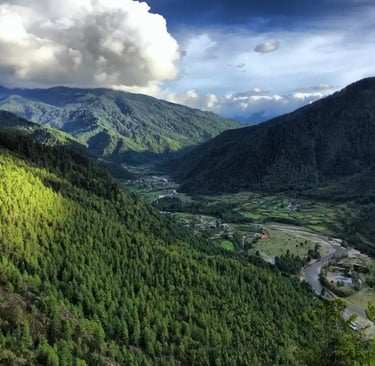
Today, Bhutan is home to some of the highest concentrations of plants and endangered species. It is regarded as one of the few remaining global bio-diversity hotspots and as the only country in the world that is carbon-negative.
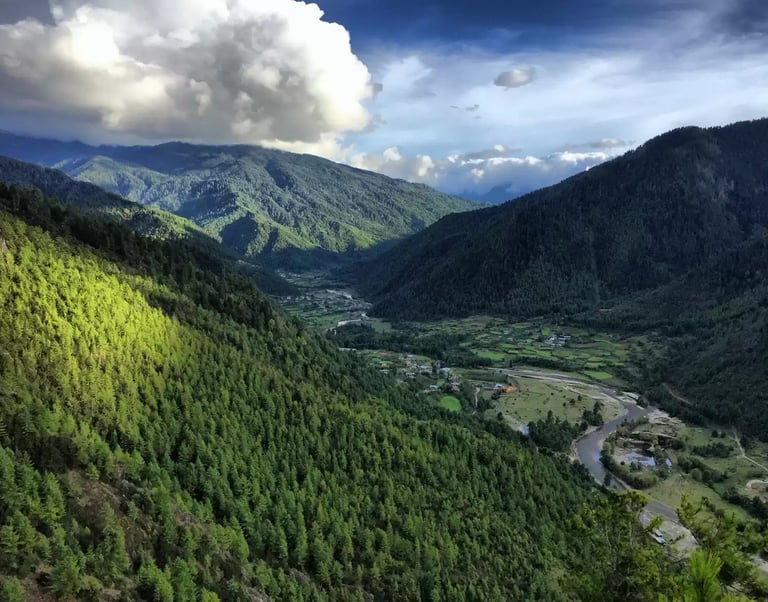
There are 10 protected areas in the form of parks, reserves, wildlife sanctuaries, and biological corridors and 71 percent of the country is still under the forest cover. Its constitution mandates that at least 60 percent of the country must be under forest cover for all times to come.
Environment- A Net Carbon Sink
Culture- Colourful and humanizing
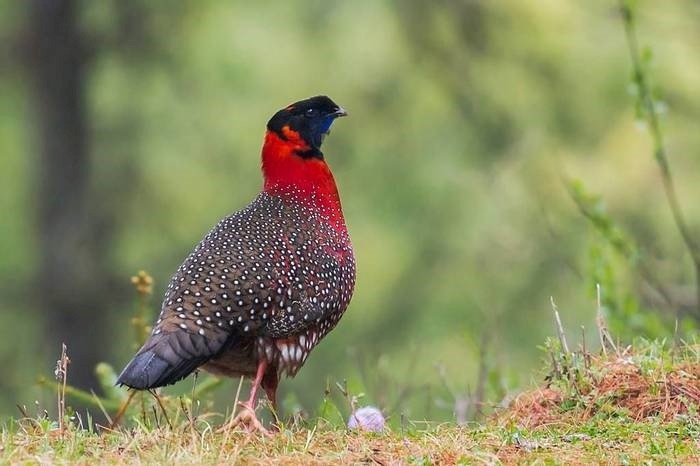
Nature: A Paradise for Birders
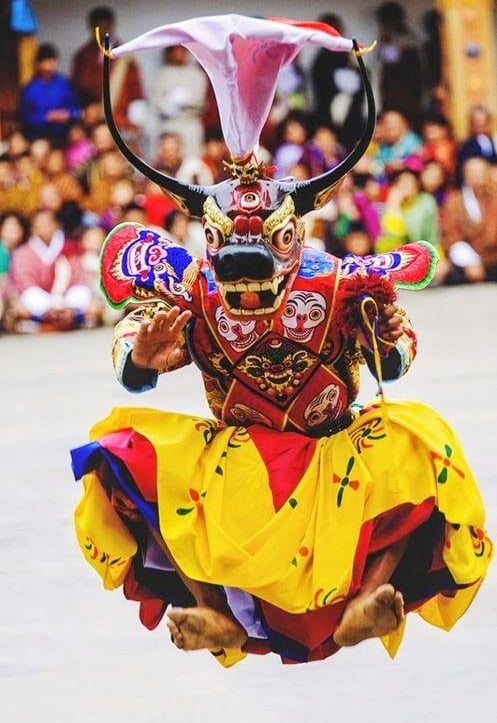
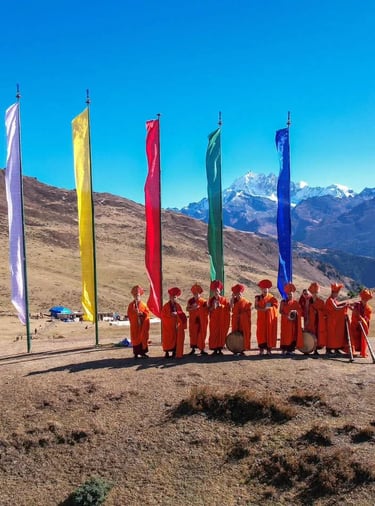
Culture is Bhutan’s most distinctive feature. Steeply rooted in Buddhism, its mostly seen in its physical manifestations, including colourful mask dances, temples, monasteries, fortresses, prayer flags, and traditional attires. In some of these manifestations such as ‘tshechus’ festivals in Bhutan, there is a thin line between religion and culture.
At a closer look, Bhutan’s intangible culture is deeply humanizing. It underlines a set of values that promote peace, harmony, and communal cohesion. The reverence for life, the belief in the interdependence of the nature of things, and the belief in the principle of cause and effect largely define the way of life in Bhutan.
With 71% of its land cloaked in forest exceeding its constitutional mandate of 65%, it’s not just carbon-neutral, but carbon-negative. The philosophy of “High Value, Low Volume” tourism ensures your visit nurtures this paradise, while Gross National Happiness (GNH) measures progress in joy, not wealth.
Here, sustainability and Vajrayana Buddhist culture thrive in harmony. Your journey supports a nation that chooses planet over profit and our “High Value, Low Volume” tourism ethos ensures your visit nurtures this legacy.
Ally with Wild
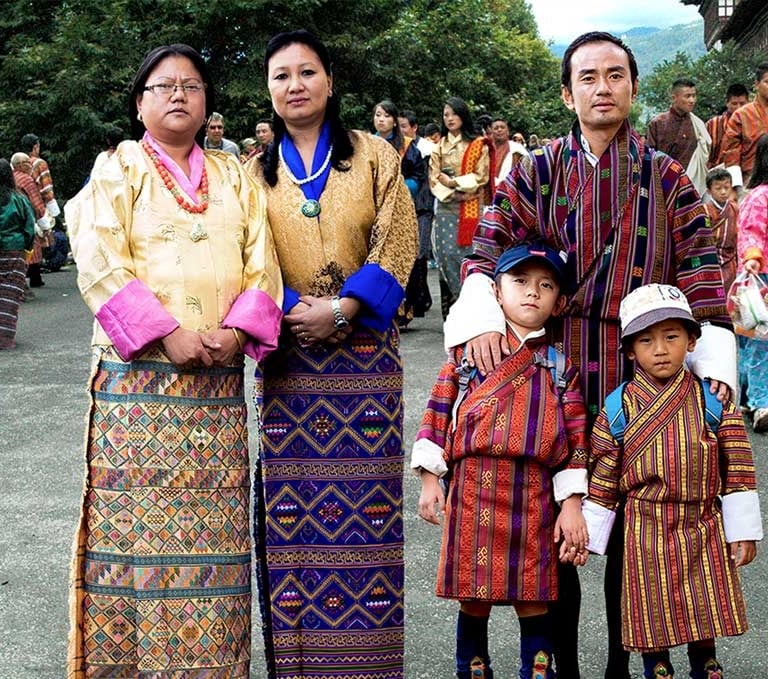
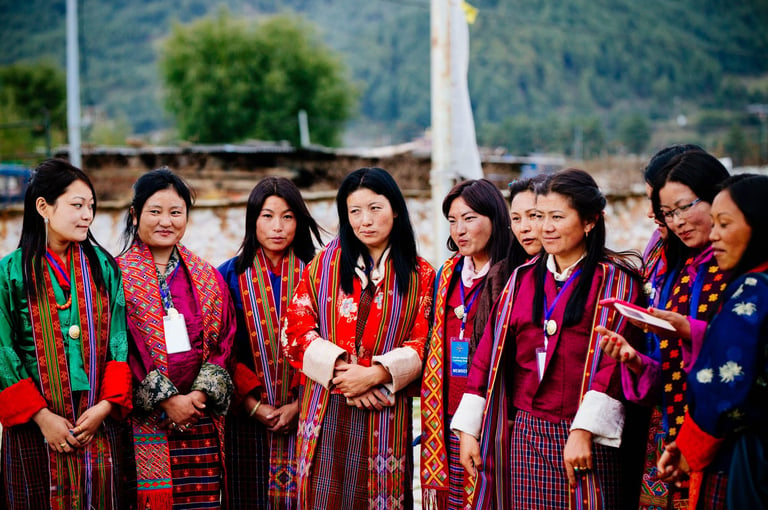
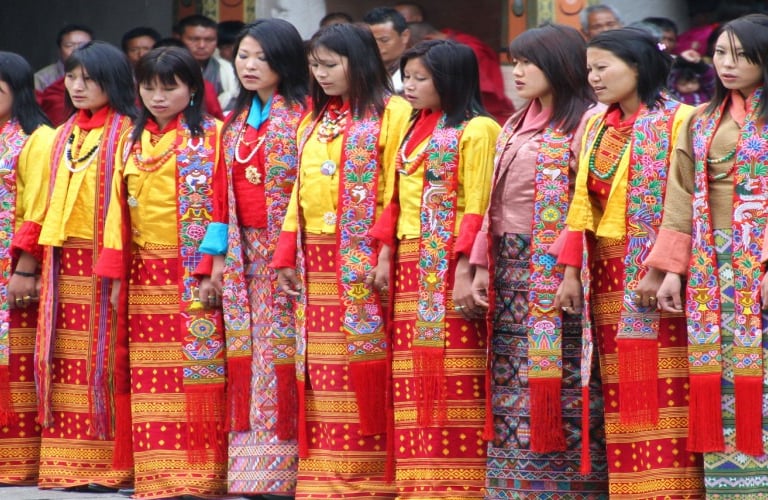
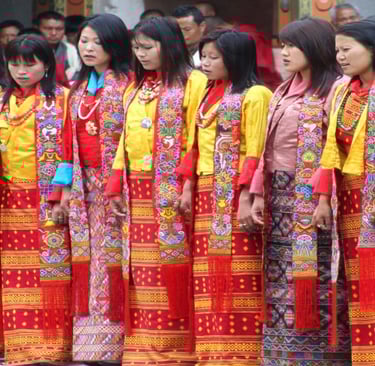
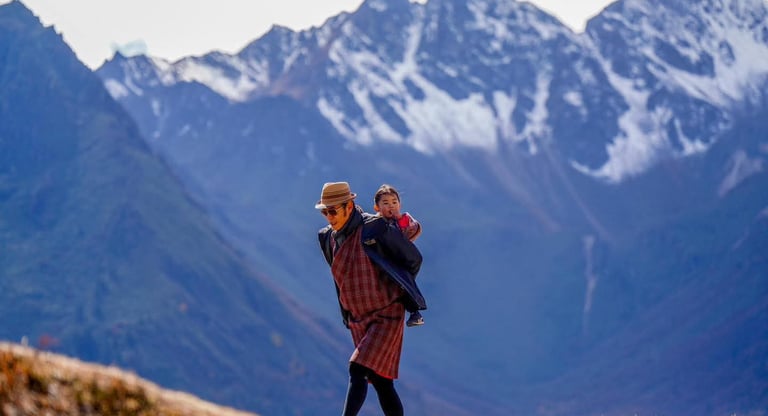
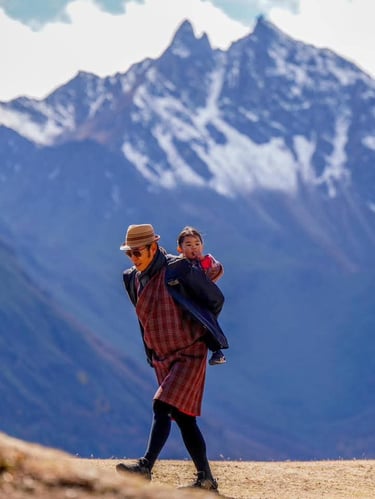
Bhutan’s national dress for men is the “gho” and for women, it is the “kira”.
The Bhutanese dresses are part of the country’s ornate tradition and are required by law to wear the gho or kira in public places, including dzongs, temples, schools, and public offices.
For formal occasions like official ceremonies and tshechus, Bhutanese men wear kabney and women wear rachu both of which can be of different colors depending on their official ranks.
Depending on the material and pattern, a Bhutanese dress can cost anywhere between US$ 50 and US$ 2,500.

National Dress: An Ornate Identity
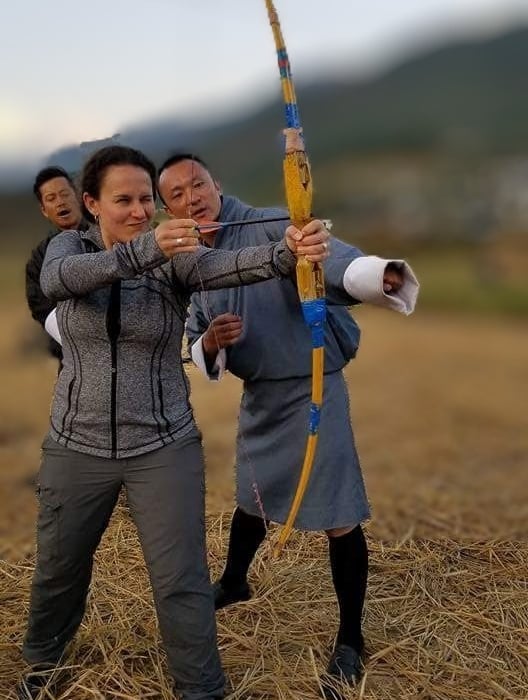
The traditional game of archery of Bhutan, the national sport of the country, is distinctively Bhutanese in terms of organization and how it is hels. Called “datse” it is played across a long range where two small targets are placed 120 meters apart.
Each team is cheered by dancing women who jeer the opposing team in short and sharp lyrics. Each time their archers shoot, the women sing in a reassuring tone:
My Lord’s arrow
Let it not fly high and miss the target
Let it not drop on the ground
But let it find the target straightaway.
A game of archery: Bhutan's living culture
When the archers from the opposing team shoot, the women break into a loud chorus of phalala (shoo):
Phalala, phalala, your arrow
Let it fly high and miss the target
Let it drop low and miss the target.
Amid cheers and jeers, there are food and drinks aplenty. An archery match is a long-drawn-out affair that may sometimes take more than a day. It is also an expensive affair with expensive food, drinks, prizes and also both colorful and festive.
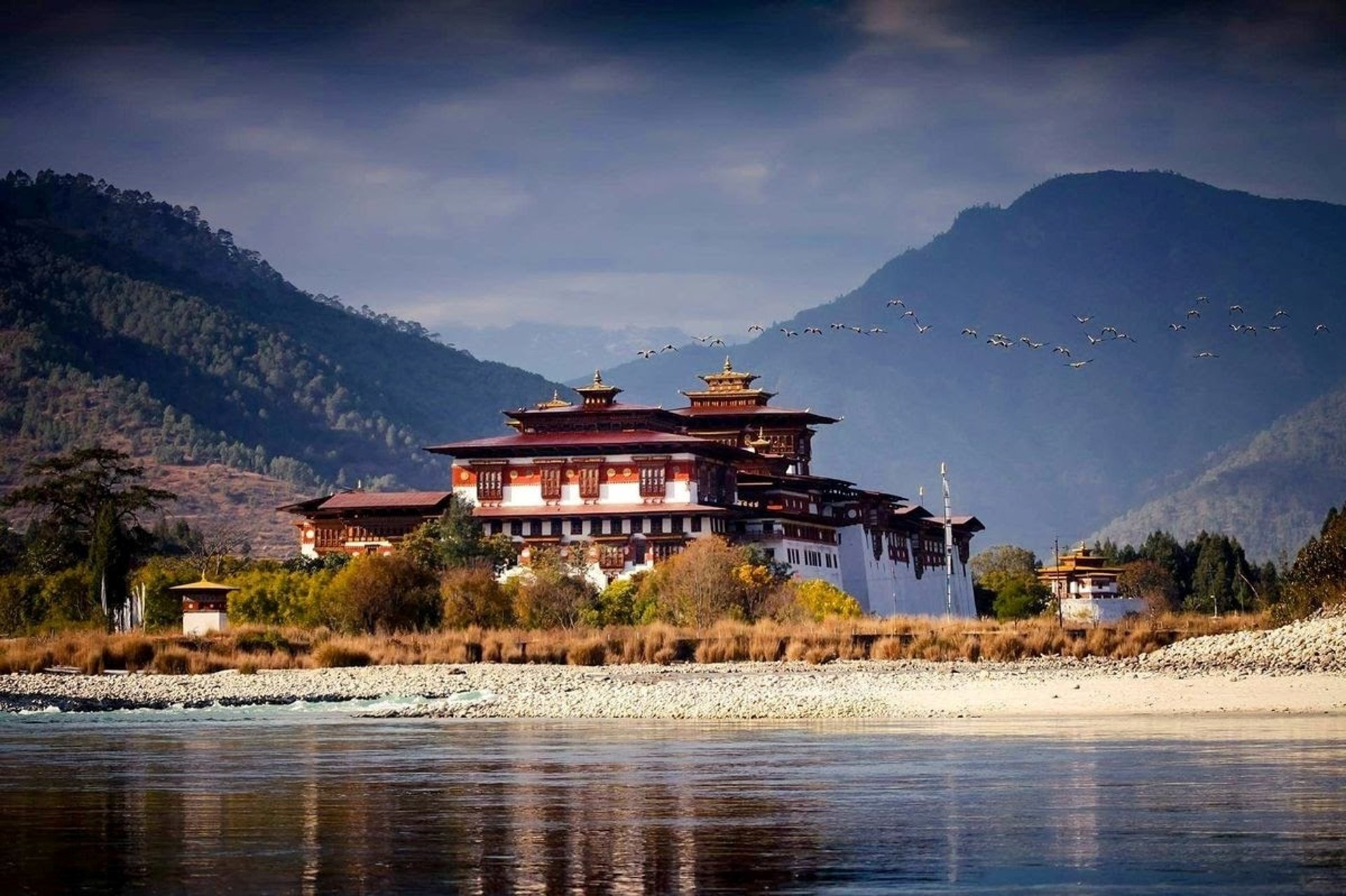
The most prominent feature dominating the Bhutanese landscapes are fortresses like structures called “dzongs”, temples, monasteries, and traditional houses depicting striking architectures, singularly Bhutanese in terms of style and design. Marked by intricate woodwork without the use of a single nail and traditionally they are built without any drawing following the contours of the landscape characterized by wooden frontages, arched windows, and sloping roofs.
Today, the Bhutanese houses in the towns are built with concrete materials yet, they retain certain traditional features such as the traditional shape of windows associated with colorful paintings.
Architecture: Striking, Distinctively Bhutanese
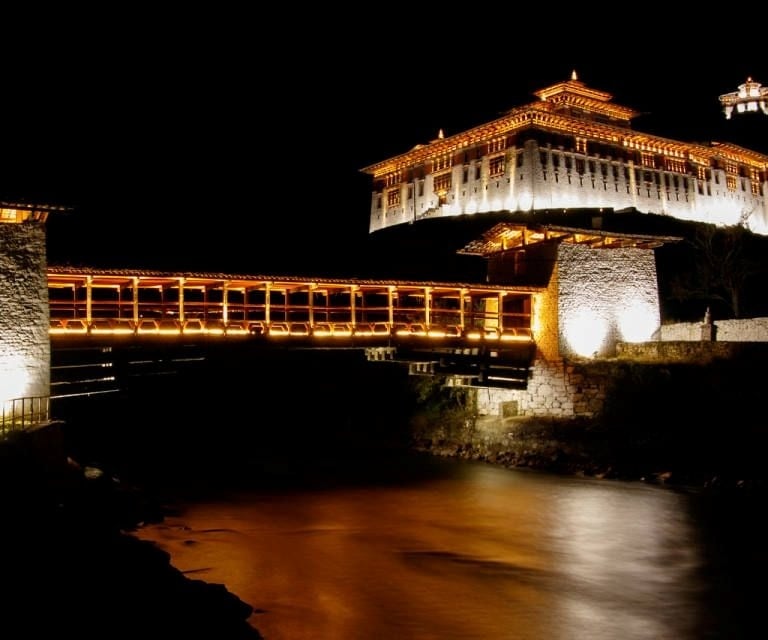
It is common to see people going around temples and stupas, offering butter lamps, doing prostration and circumambulations around the religious monuments or chanting prayers.
While the Vajrayana tradition of Buddhism dominates the religious life of Bhutan, there is a clear separation of religion and politics. The constitution states that religion is ‘above politics’, meaning religious people are not allowed to take part in politics. As a result, Bhutan’s religious community remains clean of politics which is considered mundane.
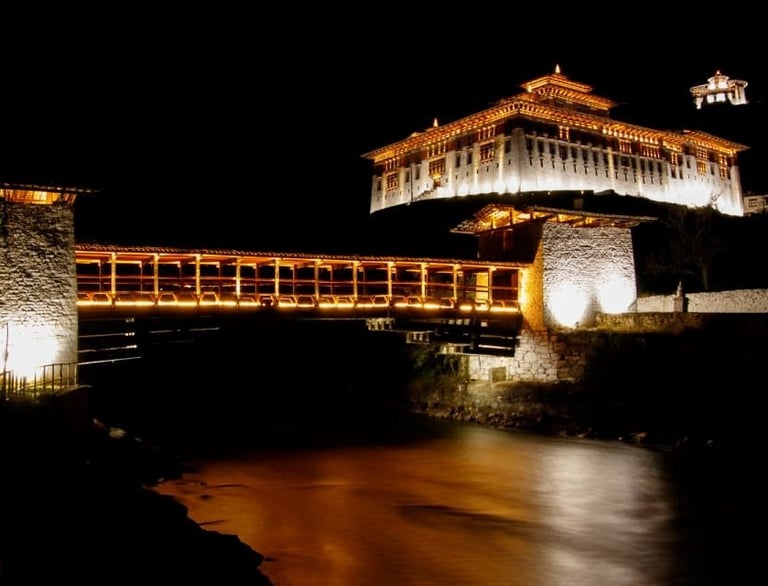
Bhutan has a rich musical tradition. As a country isolated from the world for centuries, Bhutan has developed and preserved distinct songs, dance forms, and musical instruments.
Broadly categorised into three forms, namely zhungdra, boedra, and rigsar. Zhungdra, reflecting the gentle, slow rhythm of life in Bhutan. Zhungdra songs are characterized by rich, poetic lyrics that celebrate great lives, spiritual and religious virtues, and natural beauty. They are sung without any musical instrument or with dramnyen, the Bhutanese lute.
Religion- A Way of Life
Music- A Lyrical Offering
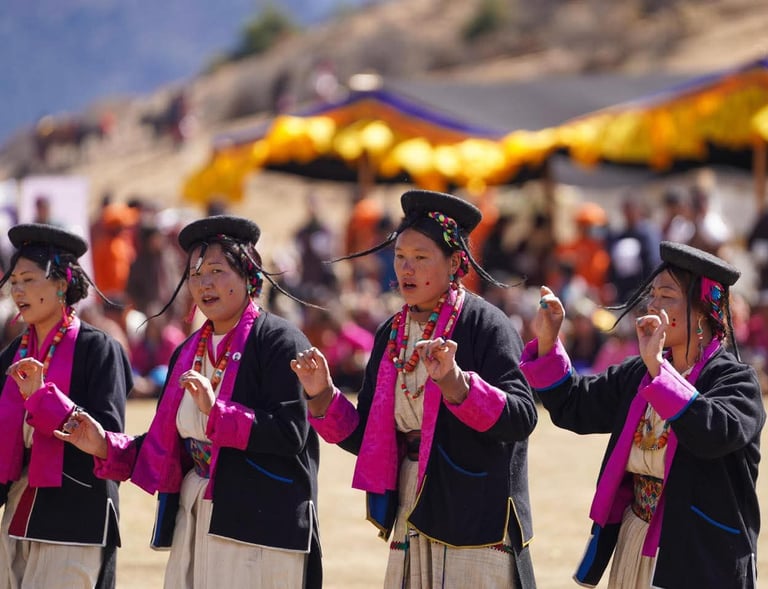
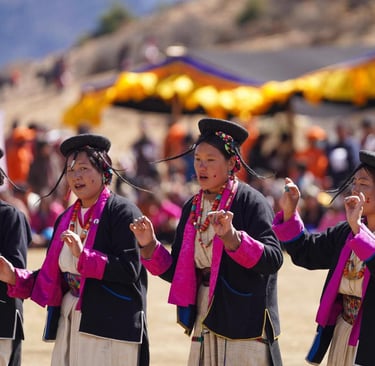
Boedra are the songs sung by courtiers. It has a faster rhythm but often share the lyrical beauty of zhungdra. They celebrate the country’s beauty and virtue, and eulogize great religious and secular leaders mostly sung with traditional musical instruments.
Rigsar, is a modern addition to the Bhutanese music. They are popular among the younger Bhutanese dwelling on youthful romance with often prosaic lyrics. They appeal in terms of style, rhythmic complexity, and variety of instruments.
Thanks to globalization, the Bhutanese today enjoy a variety of music, including English, Hindi, Nepali, and Tibetan.
Bhutan seamlessly blends modern life with ancient wisdom, creating a peaceful balance that rejuvenates every visitor. Our expertly crafted checklists, filled with personalized recommendations, ensure you experience only the finest that it has to offer. Bhutan will resonate with you even more, if you..
Why Visit Bhutan?
...desire the best of both worlds
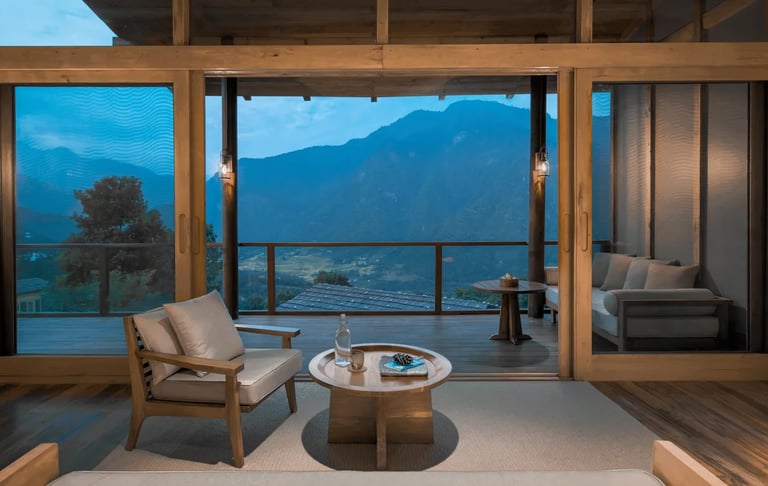
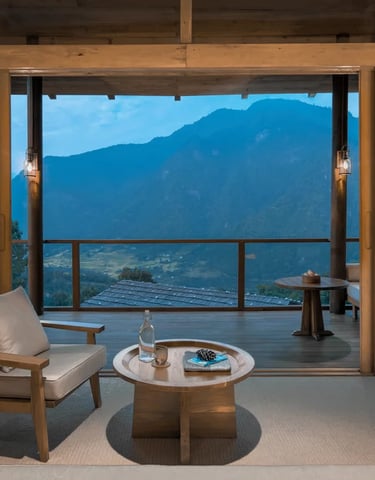
Whether you envision an opulent 5-star sanctuary, a sleek boutique mountain lodge, an intimate heritage homestay, or a farm-to-table resort, our hand-selected “Wellness and well-being” tour idea remains unrivalled. Delivering unparalleled comfort, heartfelt service, gourmet delights, lavish amenities, and impeccable stewardship, revitalizing and reviving the weary souls like never before.
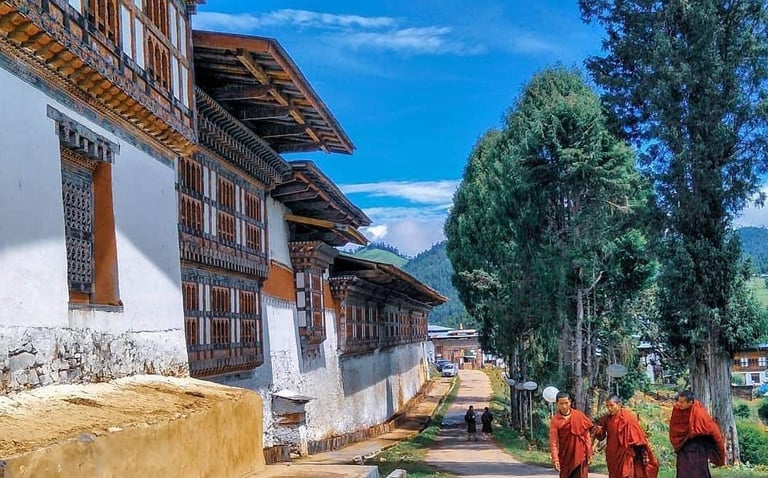
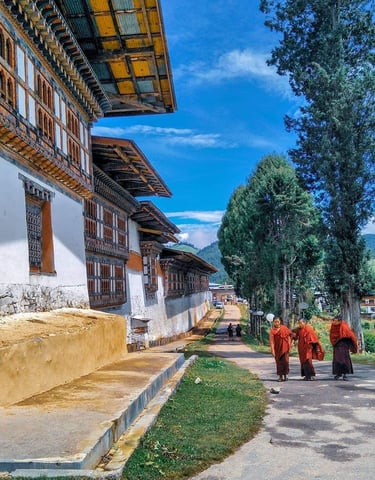
In the enchanting embrace of Bhutan, your journey unfolds with effortless grace into a realm of unspoiled purity to escape the urban frenzy. The entire country is free from the scars of overdevelopment, while Bhutan's mindful mastery of tourism has blossomed into a world-class hospitality haven, blending timeless traditions with elevated elegance.
...want to teleport yourself back in time
During a ‘Tshechu’ festival in Bhutan, time weaves magic into tradition and the vibrant ‘tshechu’ festivals. Masked dances twirling to the primal beat of sacred drums, their vibrant robes flowing like living prayers, stitching centuries-old stories into every movement. These aren’t mere spectacles but the sacred portals to Bhutan’s spiritual legacy, alive with music, mysticism, and timeless devotion.
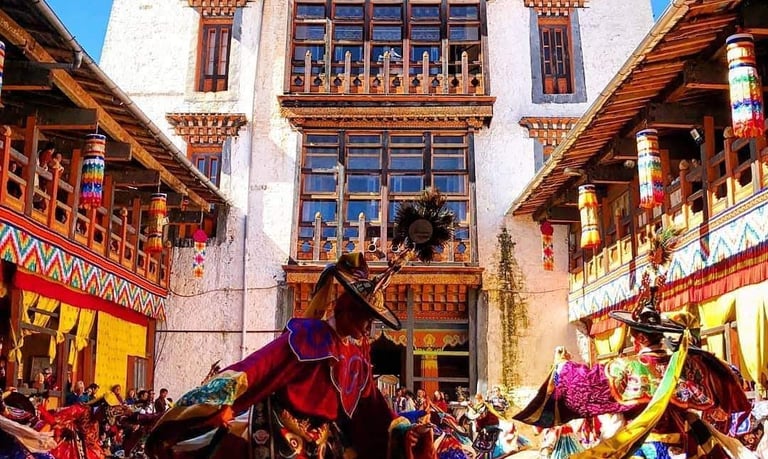
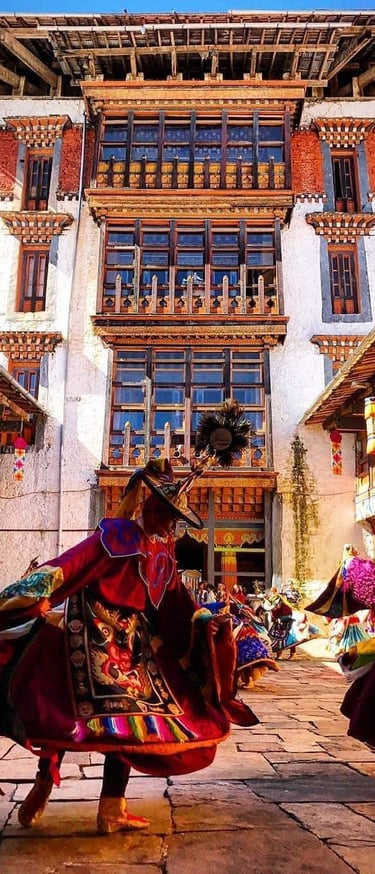
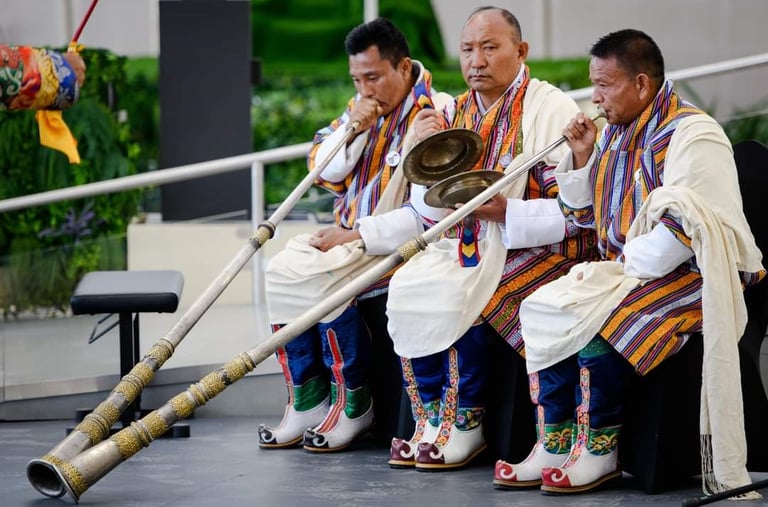
Curious about ancient Buddhist traditions? Step into this kaleidoscope of faith and festivity. Transform your journey into a vivid tapestry of color, connection, and cultural awakening. This is a vibrant embrace of Bhutan’s soul. Claim your exclusive passage to a world where faith, color, and tradition converge.
...wish to embark on a pristine wilderness adventure
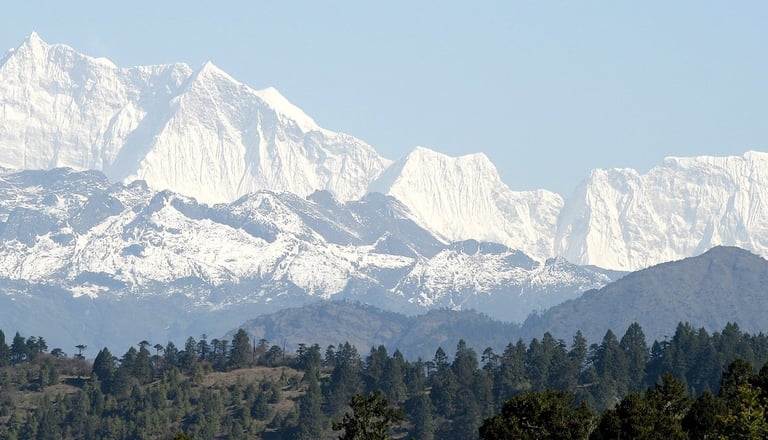
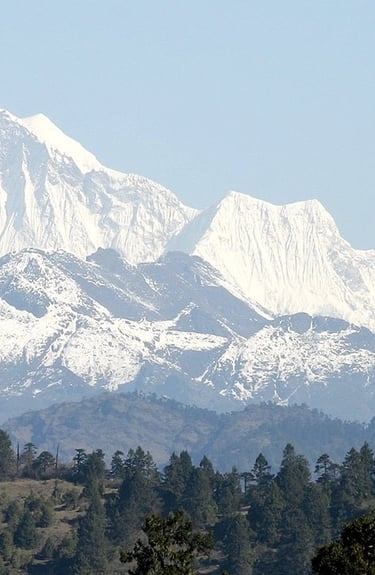
Trekking in Bhutan is the call of the wild, where untamed trails beckon the fearless to explore a realm of unparalleled beauty. From gentle valley strolls to daring ascents soaring beyond 5,500 meters, across some of the world’s highest untouched peaks, free of human footprints on their crests where snowfields, crystal-clear lakes, and glistening glaciers abound.
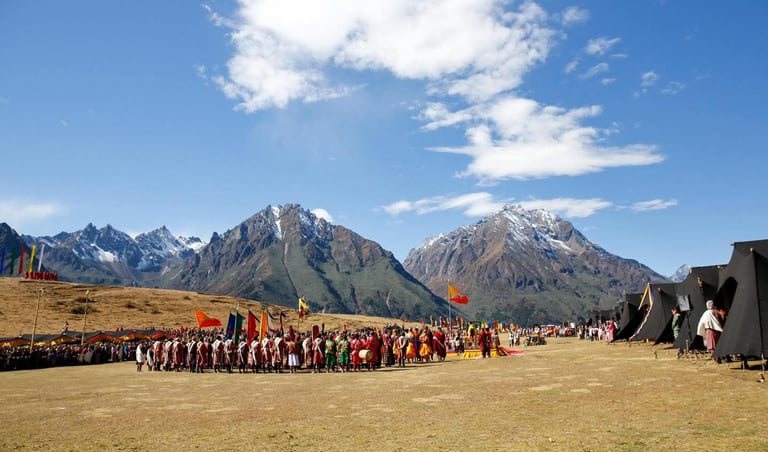
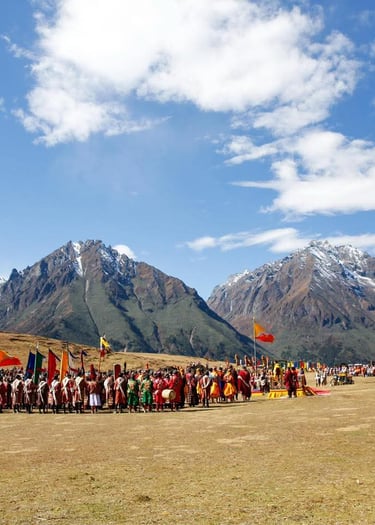
Seeking a genuine adventure far from crowded trails and fleeting tourists? Bhutan’s unspoiled landscapes resonate with the soul of the true explorer. Our bespoke treks fuse heart-pounding exploration with refined comfort, guided by seasoned experts and supported by premium camping gear, ensuring you recharge, refresh, and reconnect in comfort.
...appreciate alternative mindset for greater good
In a world racing toward unchecked progress, Bhutan stands as a beacon of mindful stewardship, constitutionally mandating a lush forest canopy that blankets over 72% of its sacred lands; a profound testament to its visionary conservation ethos, it reigns as one of the planet's premier biodiversity hotspots, nurturing a symphony of life.
If you cherish a paradigm filled with inspiration, where remarkable environmental dedication and generous sacrifices create a pathway to an even brighter world for everyone, dive into this eco-conscious paradise with exciting "Adventure and Amusements" exploration! Embrace the exhilarating call to sustainability and join us in becoming a vital part of Bhutan's incredible and timeless legacy.
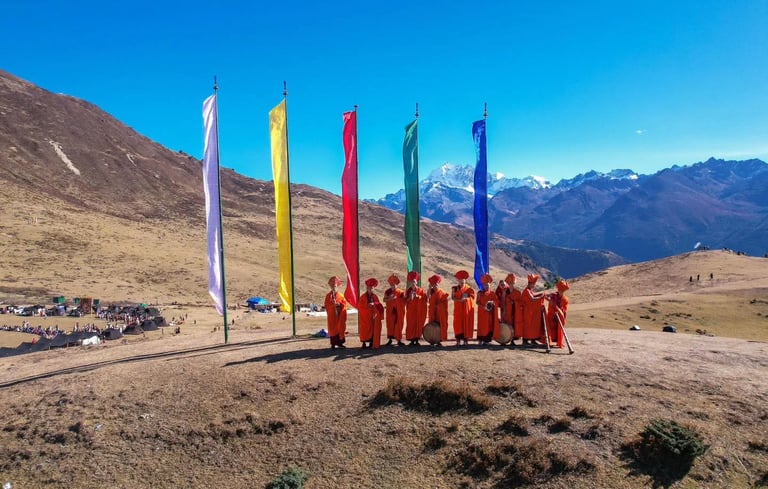
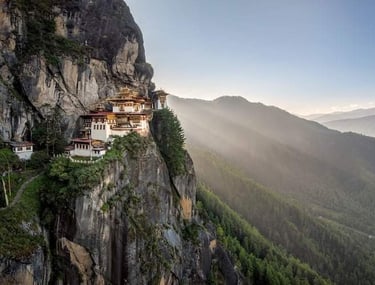
...trade your endurance power in-exchange for a one-of-a-kind wonder
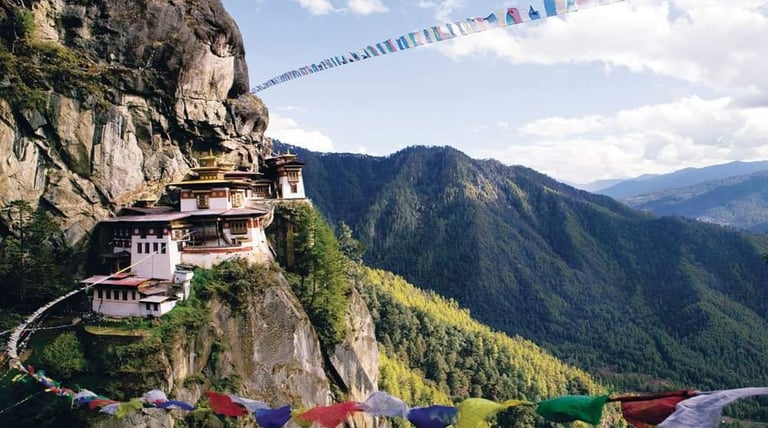
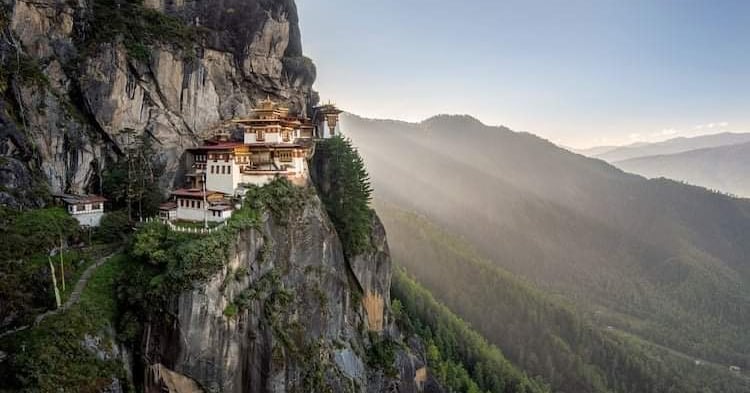
Bhutan's crowning jewel, the iconic Tiger’s Nest Monastery, " Taktsang", Paro Valley. Perched precariously on a sheer granite cliff, this architectural marvel seems to defy gravity, emerging from the rock face itself - a sacred beacon of beauty and grace that has drawn devotees and dreamers for centuries, standing as one of Buddhism's holiest sanctuaries.
The hike to Taktsang is a thrilling odyssey blending exhilaration, awe, and raw challenge: an ascent that stirs jitters and joy, culminating in profound relief and reverence at the summit. For adventure aficionados, it's pure bliss; for others, a test of resolve that may evoke trembling knees, breathless anticipation, and even triumphant tears, etching an indelible memory into your very essence.