
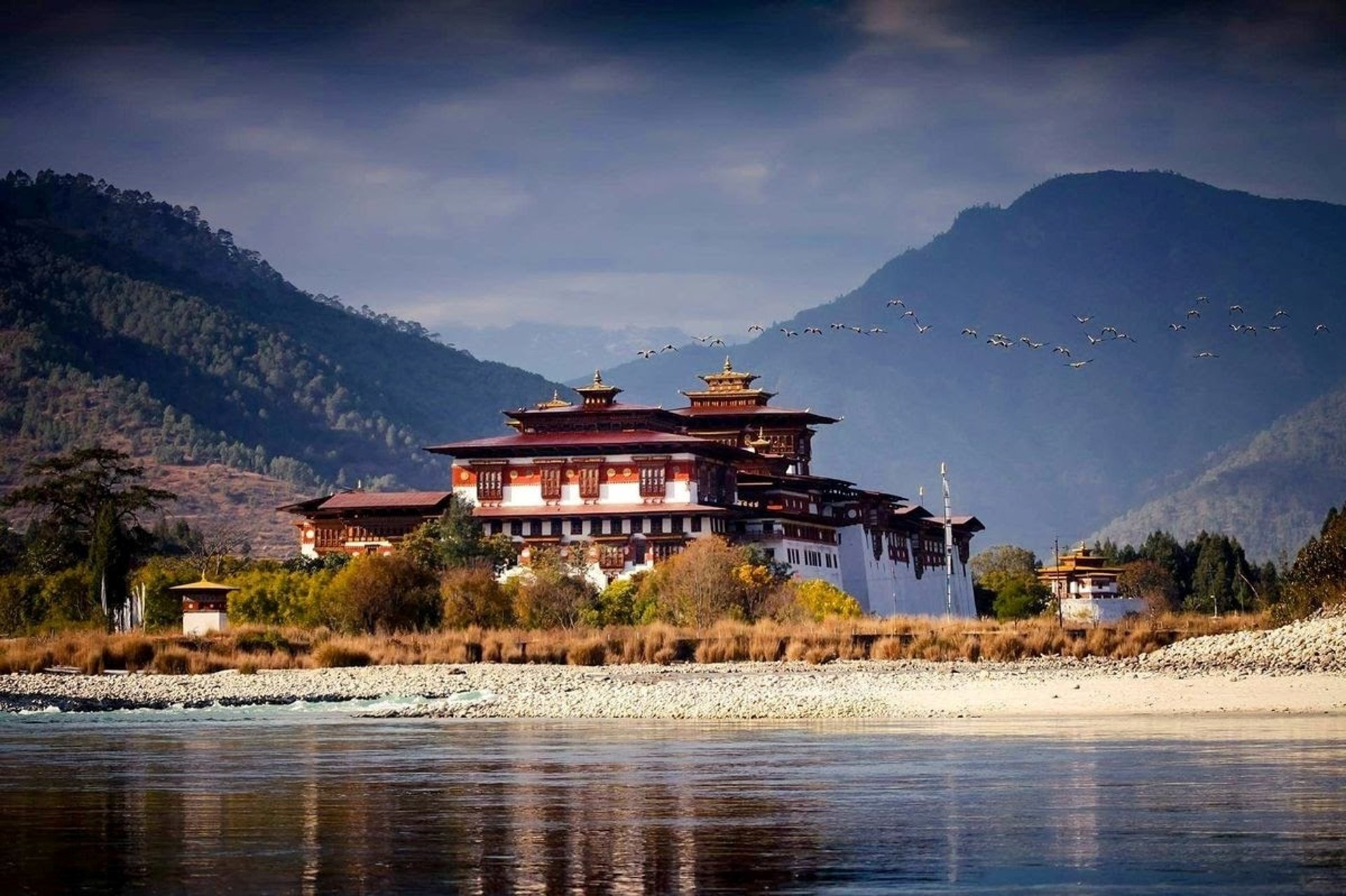
Deep Bhutan
A quest for Deep Bhutan Cultural Exploration
Trip Overview
“Explore the heart of Bhutan! Discover captivating villages and the vibrant shades of its culture!”
Prepare for a 15-day culturally rich journey. Experience the Cliffside sanctuary of Tiger’s Nest, the untouched Haa Valley, the sacred Bumthang and the artistry in Lhuntse. Enjoy organic meals at a Bhutanese farmhouse. This trip promises not just memories but in-depth glimpse into Bhutan’s soul.
The warm smiles of the Bhutanese, the backdrop views of pristine peaks, prayer flags, and peaceful monasteries dotting its landscape that never fades your sight are what define this experience!
Itinerary Sketch
Day 01: Arrive into the timeless Paro Valley
Day 02: Hike to Tiger’s Nest Monastery
Day 03: Explore the untouched Haa Valley
Day 04: Visit Thimphu, the smart capital
Day 05: Follow Madman Trails in Punakha
Day 06: Roam the protected Phobjikha Valley
Day 07: Marvel at Trongsa’s dzong and waterfalls
Day 08: Discover Bumthang’s spiritual core
Day 09: Explore Bumthang In-depth
Day 10: Visit Yongkola on the way to Mongar
Day 11: Trace the royal roots in Lhuntse
Day 12: Enjoy Radhi fields in Trashigang
Day 13: Descend to the foothills of Samdrup Jongkhar
Day 14: Depart to Guwahati Airport
Inclusion & Exclusion


Tour Brief


Overnight stay at Premium 3*Star Hotels & Resorts
Day 02: Hike to the Ethereal Tiger’s Nest Monastery
Day 03: Unravel the Secrets of Haa Valley
Day 04: Immerse in Thimphu, Bhutan’s vibrant capital
Day 05: Follow the Divine Madman Trails to Punakha Valley
Day 06: Roam the Crane-sanctuary Phobjikha Valley
Day 07: Marvel at Trongsa’s majestic dzong and waterfalls
Day 08: Delve into Bumthang, Bhutan’s spiritual core
Day 09: Explore the sacred depths of Bumthang
Day 10: Discover Yongkola, a haven for nature’s chorus on the way to Mongar
Day 11: Trace royal roots in Lhuntse’s rugged beauty
Day 12: Savour Trashigang and the rice fields of Radhi
Day 13: Descend to Samdrup Jongkhar’s foothills
Day 14: Depart via Guwahati International Airport
A Day-wise Itinerary
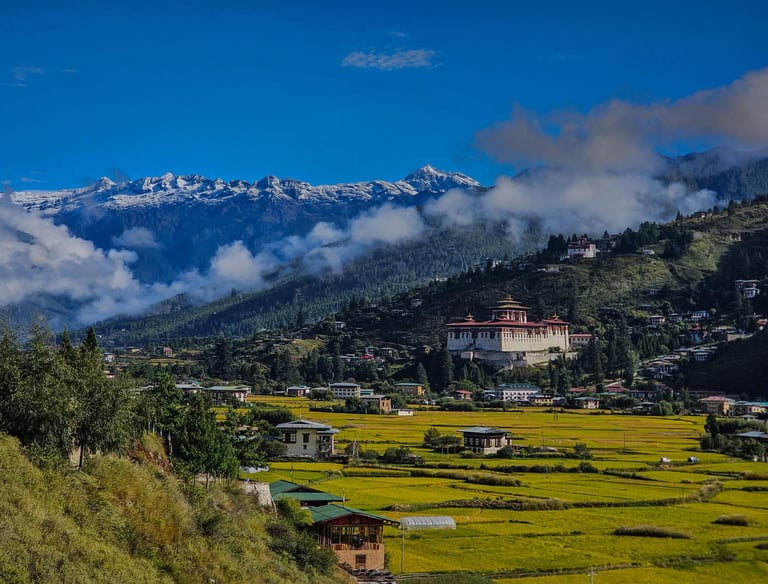
Day 01: Arrive in the Timeless Paro Valley

7,480.3ft.
Kuzu-Zangpo-La! Your adventure ignites as you touch down in Paro. You are greeted by our cultural ambassador with a warm tashi delek, offering a traditional white scarf, and usher into a luxurious retreat for Himalayan tea that soothes the soul.
Day 02: Ascend to the Ethereal Tiger’s Nest Monastery, Paro Valley
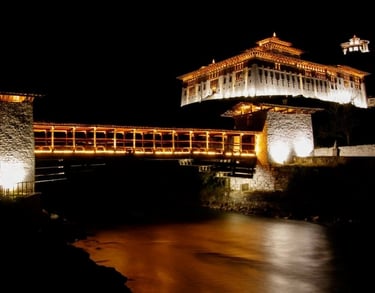
In the afternoon, ascend to the National Museum of Bhutan, housed in a 17th-century watch-tower for a peek into the cultural snapshots of Bhutan. Then, step into Rinpung Dzong, its golden spires a beacon of devotion, and feel history’s heartbeat beneath your feet.
10,433ft.
5 - 6Hrs
3.8miles


Awaken to a pilgrimage that defines Bhutan: a 4-5hour hike to Tiger’s Nest Monastery, a marvel clinging to a cliff at 10,240 ft. The 4-5hour trail winds through whispering pines forests. Pause at a rustic café for coffee with a view that steals your breath, feel the weight of devotion.
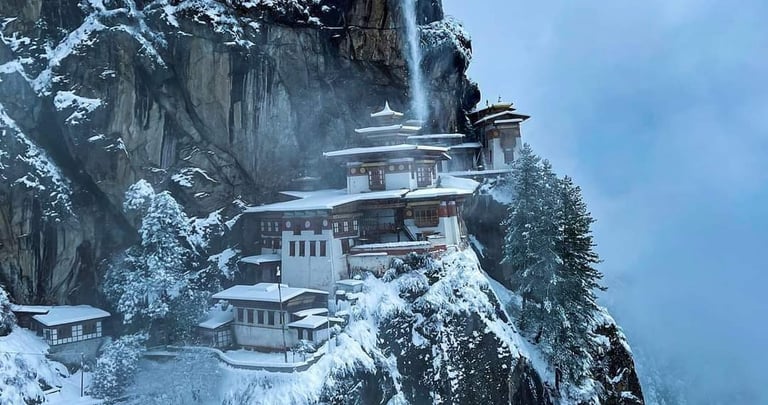
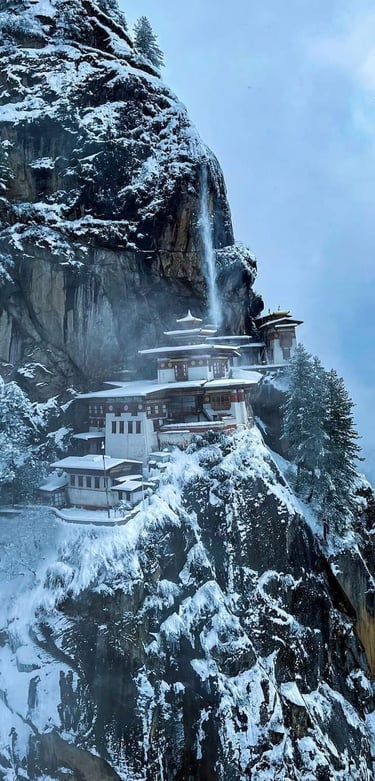
Descend to explore Drugyal Dzong’s triumphant ruins and Kyichu Lhakhang, an 8th-century sanctuary of quiet grace.


Culinary Experience: Bhutan’s cuisine is a bold love song to its land: organic, fiery, and heartfelt. Savor:
Ema Datshi: Chilli and cheese in perfect harmony, served with red rice.
Phaksha Paa: Smoky pork kissed by dried chillies.
Momos: Handmade dumplings, a delight to craft and savour.
Suja: Butter tea that warms from within.
Dine in farm resorts and boutique lodges every morning and evening, and dine at curated eateries appointed by Drukyul Delights, where organic, farm-to-table meals deepen your connection to the land.
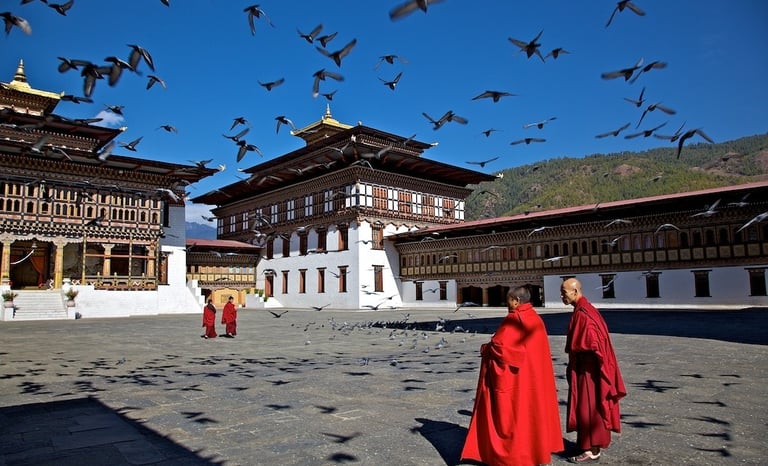
Festival Integration: With endless possibilities for festival integration, align your journey with the tshechu Bhutan’s vibrant festivals of mask dances and sacred rituals. Add one of these vibrant spectacles to your itinerary:
Paro Tshechu (March 29th – April 2nd, 2026): Witness mask dances and a giant thongdrel unfurling on Day 01.
Punakha Dromchoe (February 24th – 26th, 2026): Experience spiritual reenactments on Day 05.
Thimphu Tshechu (September 21st – 23rd, 2026): Immerse in cultural splendour on Day 04.
Trongsa Tshechu (December 18th – 20th, 2026): Join mask dance festivities on Day 07.
Jakar Tshechu (October 18th – 21st, 2026): Celebrate in Bumthang on Day 08.
Jambay Lhakhang Drub (October 26th – 29th, 2026): Experience the Naked Dance Festival on Day 09.
Mongar Tshechu (November 17th – 19th, 2026): Join vibrant festivities on Day 10.
Trashigang Tshechu (November 18th – 20th, 2026): Celebrate on Day 12.
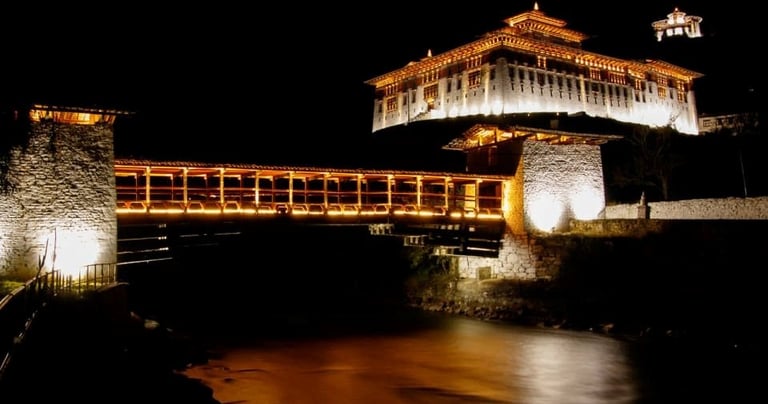
Key Considerations for Festival Attendance:
Feasibility: Festivals are a highlight, and we’ll adjust your itinerary to ensure you experience one, based on your travel dates.
Adjustments: Prioritise a festival that aligns with your travel window for a vibrant cultural crescendo.
Cultural Impact: Tshechus offer a rare glimpse into Bhutan’s spiritual and communal traditions, making them unforgettable.
Practical Considerations:
Visa and Booking: All visitors require a visa. Book early, especially for festival seasons.
Sustainable Development Fee (SDF): A daily fee of USD $100 per person supports Bhutan’s carbon-negative initiatives and funds the healthcare and education systems.
Accommodation & Food: Stay at 5-star eco-luxury lodges such as Six Senses Thimphu, Punakha River Lodge, and Gangtey Lodge. In eastern Bhutan, premium 3-star hotels offer comfort and authenticity.
Best Time to Visit: Spring (March-May) and autumn (September-November) offer mild weather and vibrant festivals. Summer (June-August) brings lush greenery, while winter (December-February) showcases the black-necked cranes' arrival in Phobjikha Valley.
Transportation and Guides: Luxury Toyota 4WD SUVs or Toyota vans with professional English-speaking guides ensure comfort on winding roads and services at the highest level. Motion sickness medication is recommended.
Altitude Considerations: Altitude on this tour idea ranges between 496ft to 10,236ft. Stay hydrated and ease into hikes for acclimatisation.
Homestay Interactions: Share meals and stories at Aum Leki Om Farmhouse, connecting with rural Bhutanese life.
Local Activities: Try archery, soak in hot stone baths, and weave with artisans at Khoma village or the Royal Textile Museum in Thimphu.
Festival Attendance: Align your trip with a tshechu for mask dances and communal celebrations.
Spiritual Engagement: Meditate with monks, hoist prayer flags, and participate in rituals to feel Bhutan’s spiritual pulse.
Enhancing Cultural Immersion
Bhutan’s tshechus ignite the spirit with mask dances and sacred rituals. Align your travel date to add one of these rare spectacles to your adventure to immerse yourself in the cultural crescendos. Book early to secure your spot.
Frequently Asked Questions
Q. Is this itinerary ideal for first-time visitors to Bhutan?
This journey is perfect for newcomers, offering a balanced blend of cultural immersion, scenic hikes, and spiritual encounters. Iconic sites like Tiger’s Nest and Punakha Dzong are accessible, while expert guides provide rich context. Customise your trip with Drukyul Delights to include festivals or additional treks for a tailored experience.
Q. When is the best time to experience this journey?
A: Spring (March-May): Vibrant rhododendron blooms and mild weather (15-25°C) make it ideal for hiking and festivals like Paro Tshechu. Summer (June-August): Lush greenery and fewer crowds, with occasional showers. Pack waterproof gear for indoor cultural experiences. Autumn (September-November): Clear skies and festivals like Thimphu Tshechu offer stunning views and cultural highlights (10-20°C). Winter (December-February): Serene landscapes and black-necked cranes in Phobjikha, with temperatures from 0-15°C.
Q. What altitude ranges should I prepare for?
A: From Samdrup Jongkhar (492ft) to Thrumshing-La Pass (12,401ft), altitudes vary. Most days stay below 10,000 ft, but hydrate well and avoid strenuous activity on Days 1-2 if unaccustomed to elevations above 8,202ft.
Q. What documents are needed for a Bhutan visa?
A: A passport valid for six months beyond your departure date and a recently taken passport-sized photo are required. Drukyul Delights guarantees a pre-approved visa. A one-time fee of USD $40 per person visa fee is charged, which must be remitted along with your Bhutan tour payment.
Q. Is travel insurance mandatory?
A: We highly recommend travel insurance, especially for high-altitude hikes and medical emergencies. Drukyul Delights can arrange local coverage or ensure your policy covers trekking and altitude-related risks.
Q. What kind of accommodations are included?
A: Stay in 5-star eco-luxury lodges like Six Senses Thimphu, Punakha River Lodge, and Gangtey Lodge. In eastern Bhutan, premium 3-star hotels ensure comfort and authenticity.
Q. What’s included in the tour package?
A: Everything: luxury accommodations, all meals, private transport, expert guides, entry fees, and the SDF. Your journey is fully curated for ease and immersion.
What is the Sustainable Development Fee (SDF)?
A: The USD $100 Bhutan Daily Minimum Spend per person that supports Bhutan’s sustainability efforts, funding free healthcare, education, and conservation, aligning with the Gross National Happiness philosophy.
Q. What health precautions should I take?
A: Carry necessary medications, as pharmacies are limited outside Thimphu and Paro. Consult your doctor about altitude precautions and stay hydrated.
Q. How is internet connectivity in Bhutan?
A: Wi-Fi is available in hotels, but connectivity may be spotty in rural eastern regions. Drukyul Delights can provide a local SIM card with data for reliable access.
Q. Are the hikes suitable for beginners? Can I customise the itinerary?
A: Hikes like Gangtey Nature Trail (1.5hrs) are gentle, while Tiger’s Nest (4-5hrs) is moderate, with our supportive guides adjusting to your pace. Customise your trip with festivals, extra hikes, or personal touches. Contact Drukyul Delights to craft your style adventure.
Q. Will I have a private guide?
A: Yes, a licensed, English-speaking guide will enrich your journey with cultural and historical insights, ensuring a personalised experience.
Q. Is Bhutanese food spicy? Can dietary needs be accommodated?
A: Chillies are a staple, but meals can be tailored for milder tastes. Vegetarian, vegan, and other dietary needs are easily met with farm-fresh ingredients.
Rarely Asked Questions
Q. Can I bring a drone? Where can I shop for souvenirs?
A: Drones require permits and are restricted near dzongs and monasteries: consult Drukyul Delights for approvals. Shop for textiles and crafts at Thimphu’s Authentic Bhutanese Craft Products or from Paro’s craft stalls for authentic Bhutanese souvenirs.
Q. What’s a hot stone bath like, and why should I try it?
A: A therapeutic ritual, river-heated stones infuse herb-laced water with minerals, soothing muscles and spirit. It’s a cultural cornerstone, offering relaxation and connection to Bhutanese healing traditions.
Q. Can I integrate a festival into this itinerary?
A: Absolutely. Align your travel dates with a tshechu like Paro or Thimphu for mask dances and communal joy. Book early, as spaces during festival periods fill quickly.
Q. How does Gross National Happiness shape Bhutan?
A: GNH prioritises well-being over wealth, guiding policies on health, education, and environmental stewardship, creating a society rooted in harmony and compassion.
Q. What wildlife might I see? Will altitude affect me?
A: Spot Takins in Thimphu, Black-necked cranes in Phobjikha (winter), and Langurs on trails. Most sites are below 10,500ft, but hydrate and rest to ease into high-altitude hikes like Tiger’s Nest.
Q. Why are Bhutan’s dzongs unique?
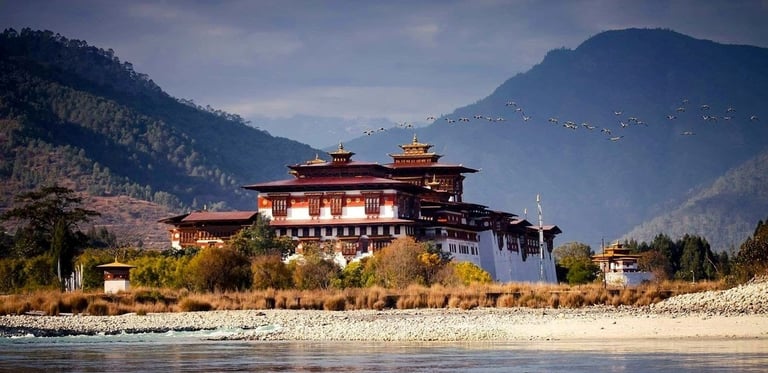
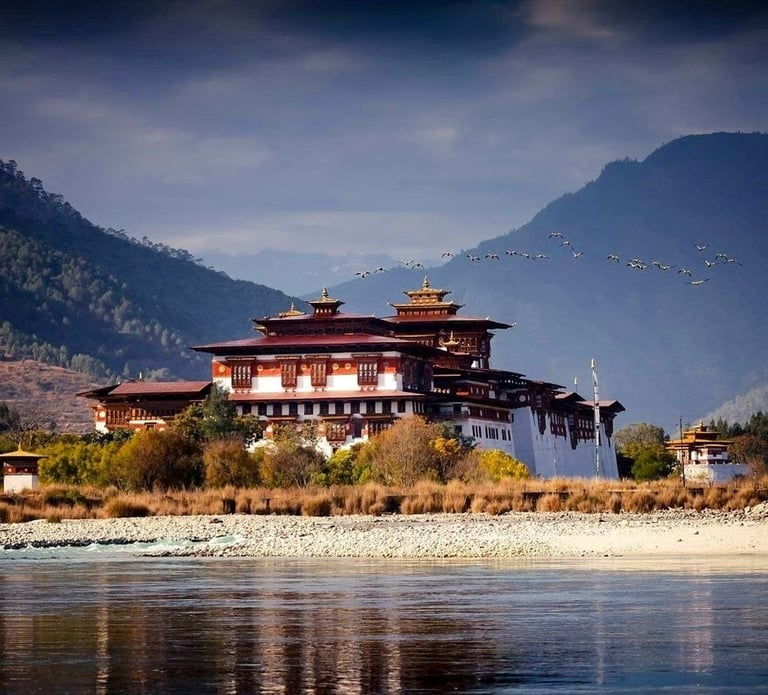
A: Dzongs are sentinel-like defensive structures that stand at strategic locations. They are distinctively Bhutanese in design and architecture. Punakha Dzong, once Bhutan’s capital, is a feast to your eyes, pulsing with living history and spiritual energy.
Q. How does Bhutan remain carbon-negative?
A: With over 70% forest cover, hydropower reliance, and strict conservation, Bhutan absorbs three times the carbon it emits, a global model for sustainability.
Q. What’s the significance of prayer flags and traditional dress?
A: Prayer flags spread blessings on the wind, with colours symbolising elements like sky (blue) and fire (red). The gho (for men) and kira (for women) are vibrant, handwoven expressions of cultural pride, worn daily at school, work and during special occasions.
Why Choose Drukyul Delights?
At Drukyul Delights, we redefine luxury travel by fusing opulence with authenticity. Our hand-picked premium hotels—tested sanctuaries of Bhutanese design and modern comfort, cradle you each night.
Traverse rugged mountain roads in our luxurious Japanese Toyota vehicles, built for adventure and ease. Our passionate, qualified guides, local storytellers at heart, transform every site into a living narrative.
Savour farm-to-fork meals at curated restaurants and remote farmhouses, where Bhutan’s organic bounty connects you to the land.
With exclusive access to off-the-beaten-path experiences like private farmhouse visits, crowd-controlled iconic cultural landmark visits and intimate cultural exchanges, we craft a journey that’s as profound as it is indulgent for those seeking luxury, authenticity, and meaning.

”Every day, they strive to improve their service to the clients by developing the right blend of technology and creativity to make sure every job done is done as efficiently as possible.”
- Clarice Turner
Why Us!
Provide a general summary of the services you provide, highlighting key features and benefits for potential clients.


Service title
Write a short text about your service. Highlight key benefits for potential clients.
Service title
Write a short text about your service. Highlight key benefits for potential clients.
Service title
Write a short text about your service. Highlight key benefits for potential clients.
Get in touch
