
Feathered-Friends Expedition
Witness the globally threatened, rarest birds in the world with unparalleled comfort.
Encounter Globally Endangered, Iconic Birds of Bhutan: Seek the species you may have probably only read about.
Bhutan is a custodian for a large number of globally endangered bird species. Our birdwatching tours in Bhutan provide opportunities to see some of the world's most sought-after birds, globally endangered species, in their natural habitats.
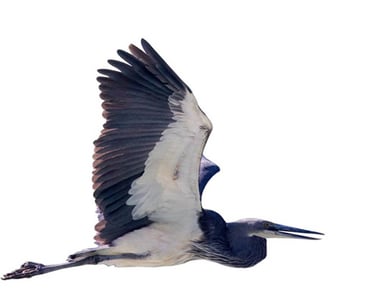
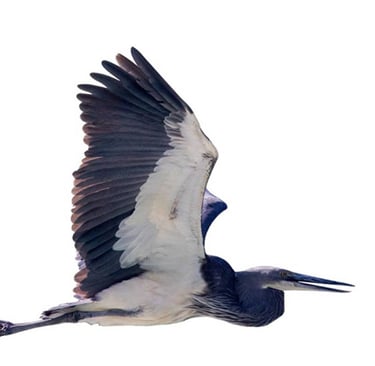
White-bellied Heron (Ardea insignis): See the critically threatened and rarest of herons.
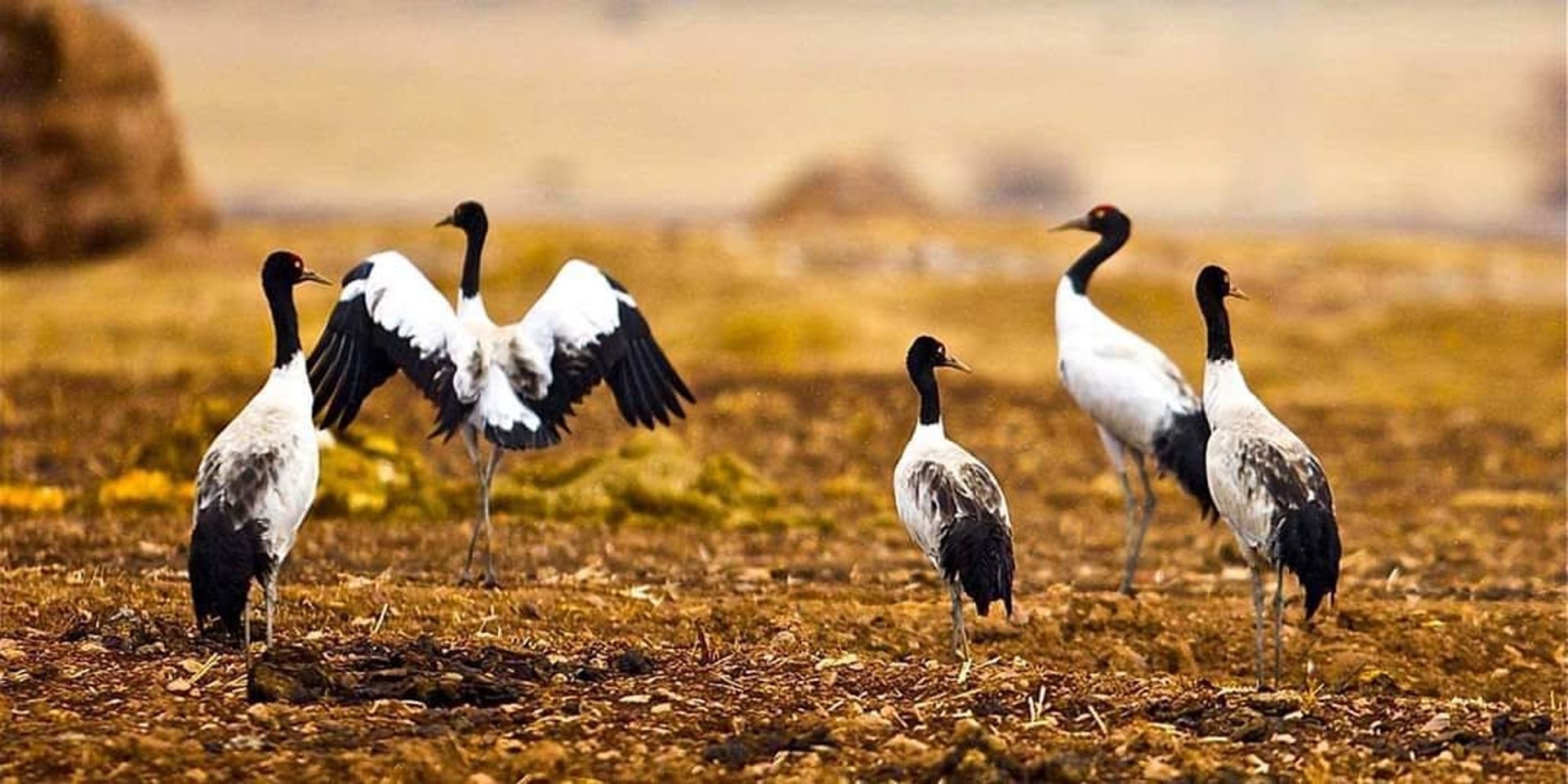
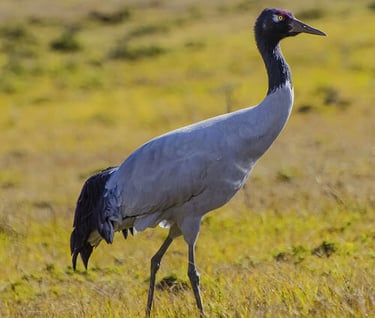
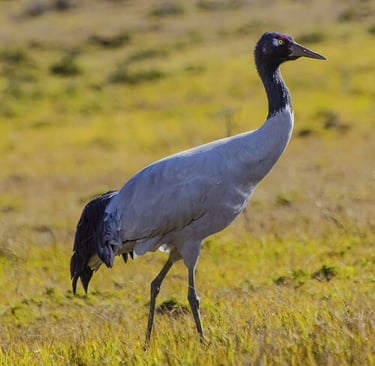
Black-necked Crane (Grus Nigricollis): Witness this majestic and iconic bird in its natural habitat.
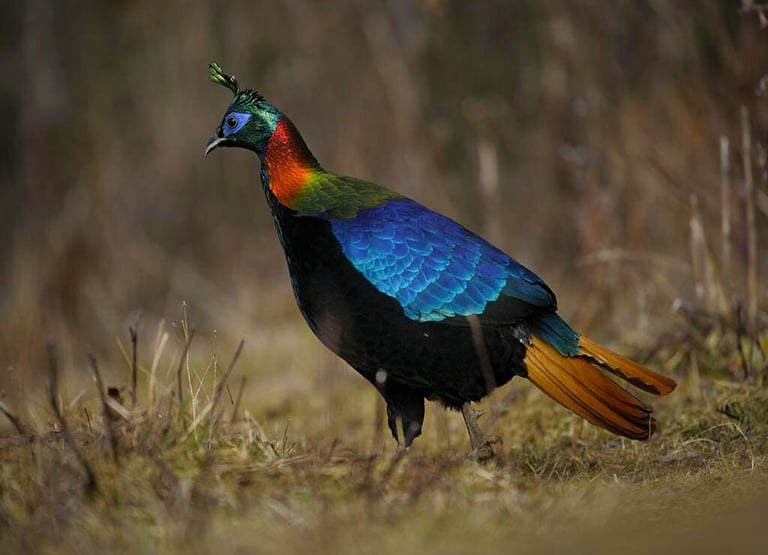
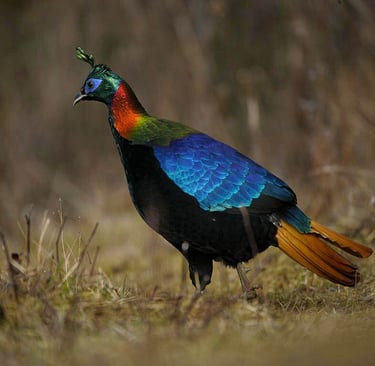
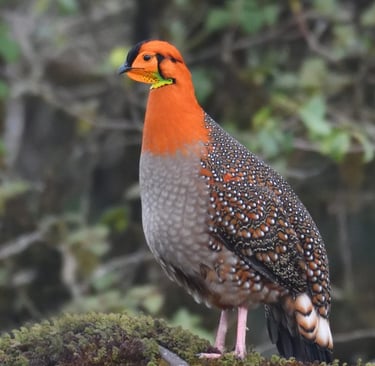
Satyr Tragopan (Tragopan satyra): This colourful, rare bird was featured in the Guinness Book of World Records 2012.
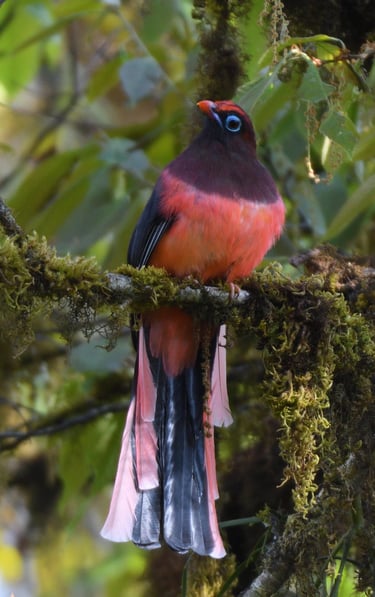
Other Rare Species: Look for the Chestnut-breasted Partridge, Ward’s Trogon, Rufous-necked Hornbill, Beautiful Nuthatch, and Pallas’s Fish Eagle. You may also spot the unusual Ibisbill and the ornate Fulvous Parrotbill.
Experience the rich avian world of Bhutan: Home to over 673 bird species, which accounts for 7 per cent of the world’s total bird species, the protected national parks, nature reserves, and wildlife sanctuaries cover over 51 per cent of the country's landmass, providing a haven for bird species to in the nation to thrive, makeing Bhutan a prime destination for birdwatching.
Many of these winged species remain largely unexplored, offering a unique opportunity. The forests are dense, so bird watching is possible in any part of the country.
The untouched pristine forests, alpine meadows, and river valleys remain largely untouched, creating safe havens for rare Himalayan feathers and other wildlife to thrive. From the Ibisbill spotted minutes after landing in Paro to the Black-necked Crane wintering in Phobjikha, you will enjoy sightings found nowhere else that draw bird enthusiasts from around the world.
Ranked among the top ten global biodiversity hotspots in the world. Rare species such as Ward’s Trogon, Rufous-necked Hornbill, Blyth’s Tragopan, Yellow-rumped Honeyguide, and Beautiful Nuthatch, as well as the critically endangered White-bellied Heron, are sighted or accessible on the roadside and forested trails. It does not require strenuous treks. The forests are dense, so bird watching is possible in any part of the country.
The Avain Life Hotbeds in Central Bhutan:
Zhemgang- Kingdom’s Celebrated Birding Hub: "Follow the call of Bhutan’s rarest birds." Zhemgang’s subtropical forests shelter rare species like the Beautiful Nuthatch, Ward’s Trogon, and Rufous-necked Hornbill. The nearby Royal Manas National Park hosts over 366 bird species, in diverse habitats, from grasslands to temperate forests, making it Bhutan’s richest birding ground.
Bhutan Avain Life Hotbeds in the West Region:
Paro Valley: "Begin your birding journey where the Ibisbill greets you first." Your journey begins with one of the most dramatic landings in Paro. Within minutes, you can spot the elusive Ibisbill along rivers and streams. The valley is also home to Red-billed Choughs circling above the Rinpung Dzong during the Paro Tshechu festival, held during springtime in Bhutan.
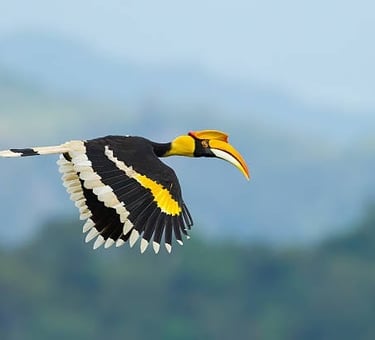
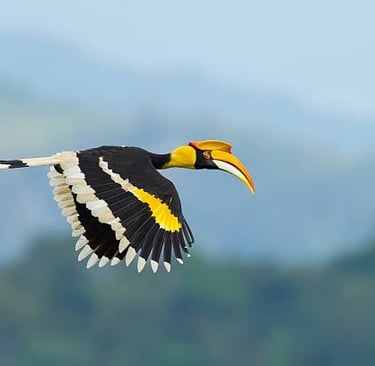
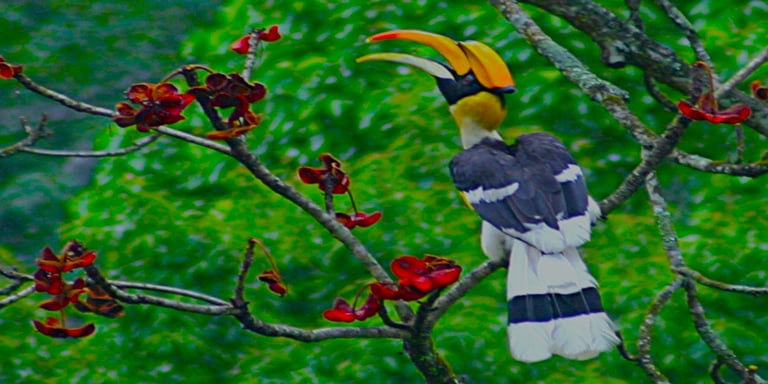
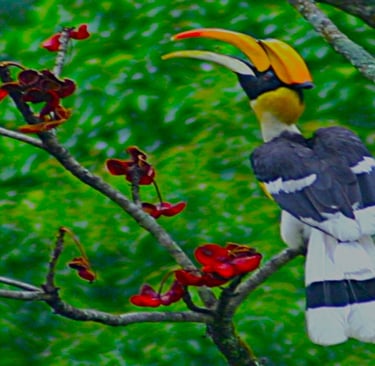
Chukha district: As Chhukha extends southwards, mountains shrouded in thick fog, and mists meet the great Indian plains. The border town of Phuentsholing is the largest commercial hub, and most of the external trade is conducted through it. Phuentsholing is rich in birdlife, where the Great Hornbill, Rufous-necked Hornbill, and Thrushes can be viewed. The Toorsa River is home to several Water birds.
Phobjikha Valley- Winter Home of the Black-necked Cranes: "Witness sacred wings in Bhutan’s valley of cranes".
Each winter, between late October and February, the valley welcomes about 500 Black-necked Cranes from the Tibetan Plateau. These graceful birds hold deep spiritual significance for the Bhutanese, celebrated each winter with the Black-necked Crane Festival at Gangtey Monastery, one of the moving theme-based festival experiences for bird enthusiasts.
Himalayan Avian Life Hotbeds in the Great Eastern Frontiers:
Latongla -Zhongar Trail: The Birding Jewel of the East: "Walk the trail where every step reveals a new feathered treasure." This 13-km stretch, known as the Birding Capital of South-East Asia, features nearly 300 bird species. Expect sightings of Great Hornbill, Satyr Tragopan, Chestnut-breasted Partridge, and Rufous-necked Hornbill. Bird hides and rest stops along the trail ensure comfort while spotting elusive species.
Trashigang and Beyond: "Venture east, where rare birds and solitude await." Trashigang and eastern districts remain off the typical tourist trail. Remote and less visited, the east rewards you with sightings of Fire-tailed Myzornis, Yellow-breasted Greenfinch, Green Shrike-babbler, and Rufous-throated Partridge.
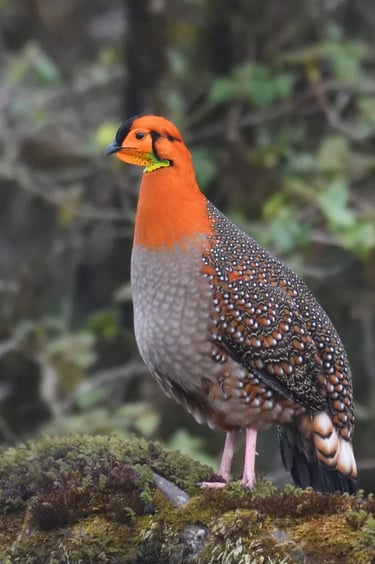
Khaling-Kharungla Trail: Khaling, rich in biodiversity, the has become a nature-based or ecotourism attraction in the east. Lumang, a sub-district of Khaling, is home to seven species of cats, including the Royal Bengal Tiger, also hosts various other mammals such as the Red Panda, Assamese Macaque, Sambar Deer, Dhole, Asiatic Black Bear, and over 250 Bird species. It is also home to the national butterfly, Ludlow’s Bhutan Glory, Blyth’s Tragopan (locally known as Sersal Bram), Temminck’s (Mokar Bram, local name) and Satyr Tragopan (locally known as Dhoram Bram) and Ward’s Trogon. Khaling is a haven for endangered bird species such as Tragopan and the Ludlowi butterfly.
“Satyr Tragopan is widespread in the country, but other species like Temminck’s and Blyth’s Tragopan can only be spotted in this area, where one can observe three types of Tragopan at the same time. They can be spotted during March, April, May, and between September and November. One can also witness two species of butterflies- Bhutanitis ludlowi and Ludlow’s Bhutan Glory.
Birding Hotspots Across the Kingdom: "Bhutan’s legendary bird-rich locations."
Our well-researched Bhutan Birdingwatching Tours take you to legendary bird-rich locations, a feature that attracts passionate birdwatchers from around the world. While birding is excellent nationwide, certain areas offer unparalleled density and diversity. These rewarding locations are second to none:


Best Time for Birding in Bhutan: "Spring sings. Autumn soars. Winter welcomes the sacred cranes."
There are always opportunities to see birds throughout the year. The Spring (March-May) and Autumn (Sept-Nov) months are ideal for spending days in the great wide open, looking for flashes of fluttering wings. Between Mar-May and from Sept-Nov are the pleasant months to go birding in Bhutan.
March to May: Spring Birds: Spring is an ideal season for birdwatching in Bhutan, as native species venture into more accessible areas, leading to frequent sightings. The forests come alive with birdsong, while rhododendron trees, orchids, and diverse flora bloom across the valleys. Amidst the blossoms and surrounding forests, it's prime time to spot Woodpeckers and finches, including the unique species such as the Bhutan Laughing-thrush, Beautiful Nuthatch, and the rare Ward's Trogon.


Sept to Nov: Autumn birds: Autumn is regarded as the prime birding season in Bhutan, featuring clear skies, pleasant weather, bringing migratory flocks to Bhutan’s wetlands and forests. As the foliage begins to change colour, migratory birds gather in Bhutan's forests and wetlands, offering a spectacular sight for bird enthusiasts for photography and for diverse sightings.


Nov - Mar: Winter Migratory Birds: Ideal for sighting the rare Black-necked Cranes in Phobjikha valley in the west, Gaytsa under Trongsa district and Bumdelling under Trashi Yangtse district of the country.
Birdwatching in Bhutan: "Himalayan Avian Safari in Bhutan."
What Makes Bhutan A Premier Avian Life Destination: "Where rare species sightings are common encounters."





Esther Bryce
Founder / Interior designer


Lianne Wilson
Broker


Jaden Smith
Architect


Jessica Kim
Photographer