
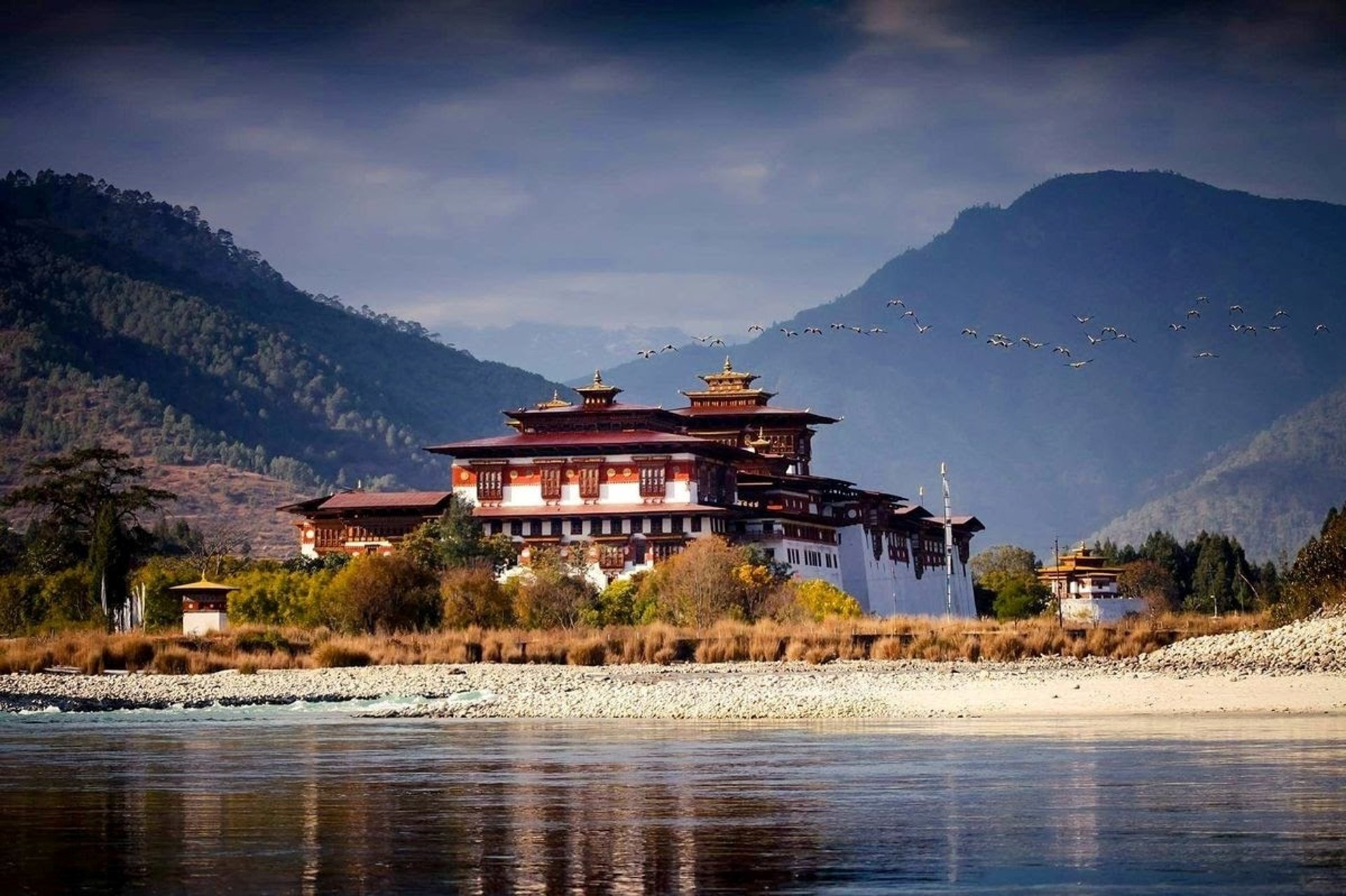
Heartland Bhutan Delights
Itinerary Sketch


Tour Brief
Day 1: Arrival in Paro – A Cultural Welcome
Day 2: Paro to Haa via Chele La Pass – Scenic Splendour
Day 3: Haa to Thimphu – Cultural Immersion and Scenic Hikes
Day 4: Explore Bhutan's smart capital In-Depth
Day 5: Thimphu to Punakha via Dochu La Pass – Spiritual and Scenic
Day 6: Punakha to Bumthang – History and Scenic Hikes
Day 7: Bumthang – Spiritual Heartland and Cultural Immersion
Day 8: Bumthang to Gangtey/Phobjikha – Nature and Community
Day 9: Gangtey/Phobjikha to Paro – Reflection and Exploration
Day 10: Paro – Tiger’s Nest Monastery Trek
Day 11: Departure – Farewell to Bhutan
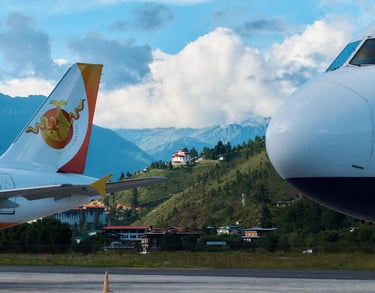
This transformative journey invites you to connect deeply with Bhutan’s cultural heritage, spiritual essence and natural beauty. From the moment you land in Paro, with Himalayan peaks rising majestically before you, to the awe-inspiring trek to Tiger’s Nest Monastery, each day is crafted to captivate your senses, taking you through Bhutan’s heartland: Paro, Thimphu, Punakha, Bumthang, and Phobjikha Valley, blending cultural immersion with scenic hikes and unique traditions.
We’ll explore ancient dzongs, hike through verdant valleys, and participate in rituals like traditional hot stone baths and dine with a local family over a rich five-course authentic Bhutanese meal. Whether you’re marvelling at the architectural splendour of Punakha Dzong, meditating by the sacred Mebar Tsho, or sharing stories with a Bhutanese family, this journey offers a rare glimpse into the Last Shangri-La, a land where happiness is a way of life.
Trip Overview
A Detailed, Day-wise Plan:
Day 1: Arrival in Paro – A Cultural Welcome

7,480.3ft
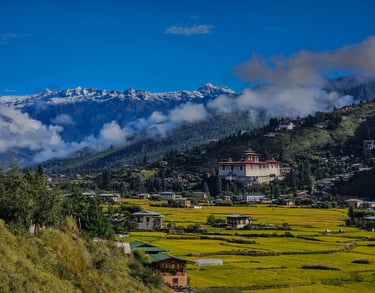
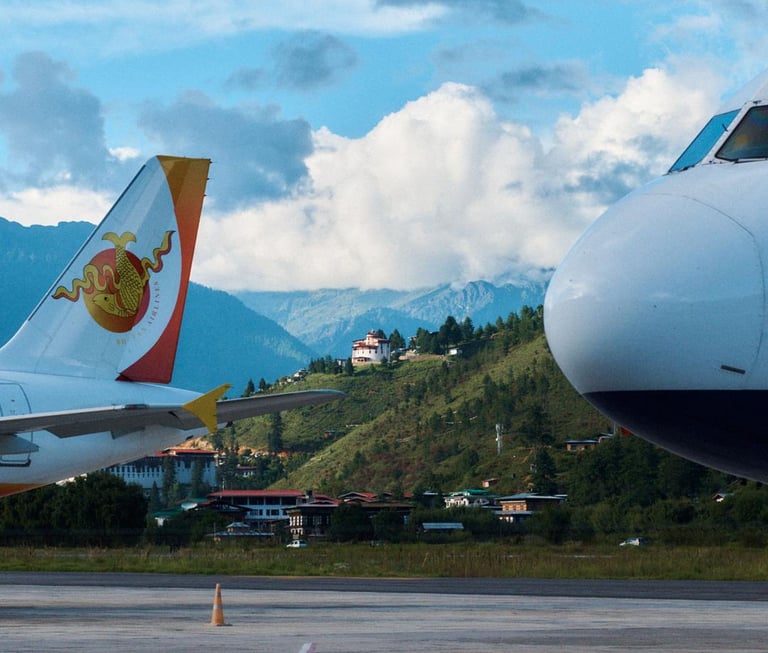
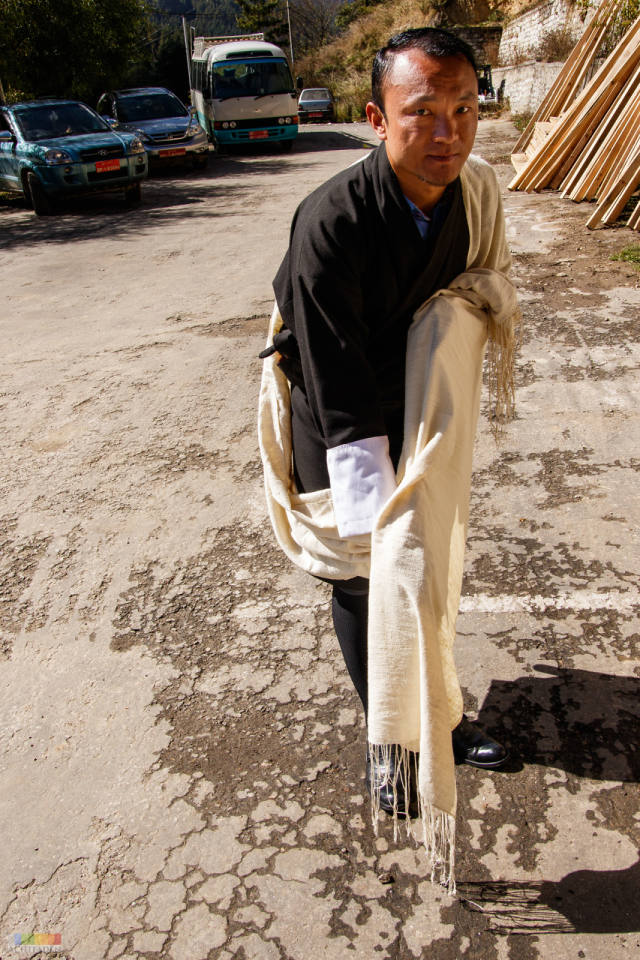
Kuzu-Zangpo-La! Arrive at Paro International Airport, greeted by your cultural ambassador with a warm tashi delek, offering a traditional white scarf, and ushering you to a luxurious retreat for Himalayan tea that soothes the soul.
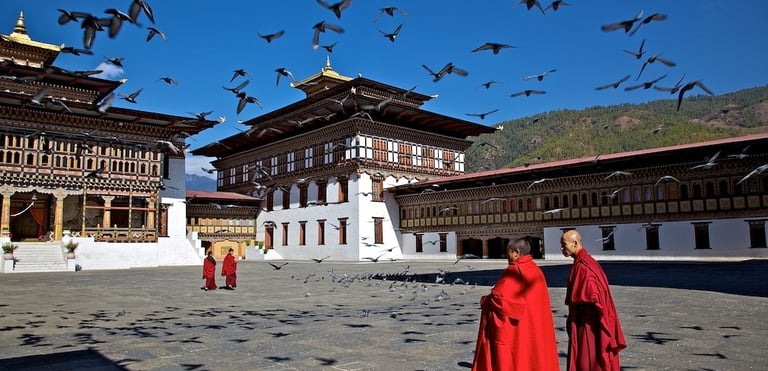
Activities: Visit the National Museum of Bhutan, housed in the historic Ta Dzong, to explore artefacts that tell the story of Bhutan’s rich heritage. Next, wander through Paro Rinpung Dzong, a fortress-monastery offering stunning views of the valley. In the evening, enjoy a traditional Bhutanese welcome dinner with a cultural performance of local dances and music. For an early taste of adventure, take a short hike to the Paro Taktsang Viewpoint for a sunset glimpse of the iconic Tiger’s Nest Monastery.
Unique Experience: The cultural performance and viewpoint hike set a magical tone, blending Bhutan’s traditions with its natural splendour.
Overnight: At a Premium: 3-star, 4-star or 5-star hotel in Paro.
Day 2: Paro to Haa via Chele La Pass – Scenic Splendor

43.4mi

2.0Hrs
8,858.2ft
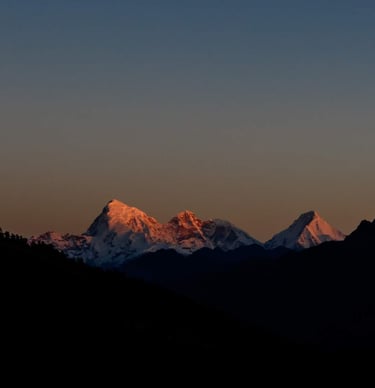
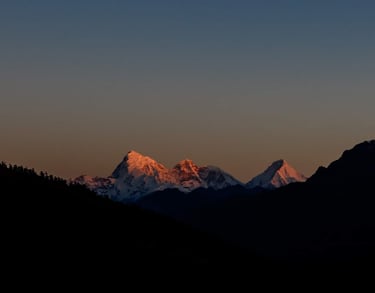
Journey to Haa Valley via Chele La Pass, Bhutan’s highest motorable pass at 3,899 meters, where panoramic views of Mount Jomolhari and the Himalayas await.
Activities: Visit Lhakhang Karpo (White Temple) and Lhakhang Nagpo (Black Temple), two of Bhutan’s oldest sacred sites.
Unique Experience: Descend into untouched Haa Valley, lace up for the Haa Panorama Hiking Trail, a soul-stirring trek through pine-scented forests and meadows, past ancient monasteries like Yangthang.
The drive through Chele La Pass offers breathtaking Himalayan vistas, while the nature walk immerses you in Haa’s serene beauty. Savour a hot picnic lunch amid sweeping vistas, then end your day at a farmhouse with a traditional game of archery and lessons, Bhutan’s national sport, and sip homemade suja. Call it off for the day with a soothing hot stone bath, a ritual of river-heated stones and healing herbs. Overnight in a Heritage Lodge in Haa Valley, steeped in rustic charm and comfort.
Drive to Thimphu, Bhutan’s vibrant capital.
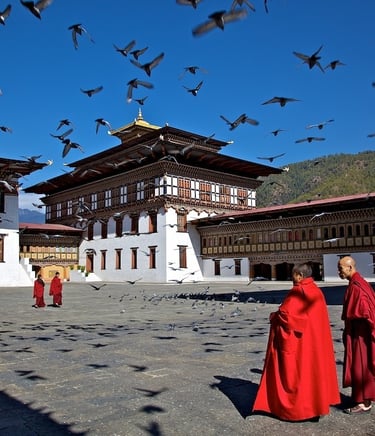
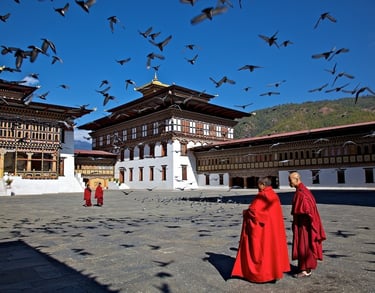
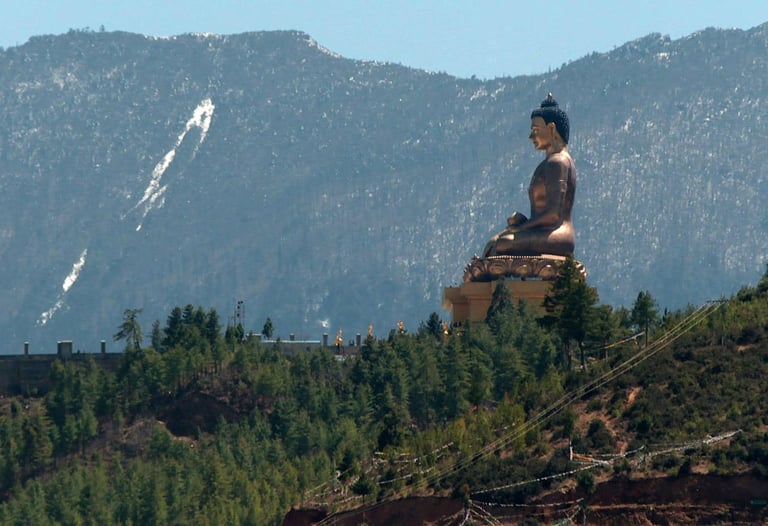
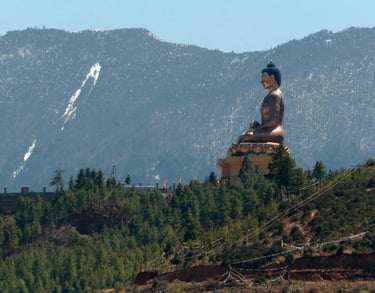
Activities: Explore the Centenary Farmers Market, bustling with local produce and friendly vendors. Witness an archery match, Bhutan’s national sport, at Changlimithang Archery Stadium. Visit the National Memorial Chorten, a stupa dedicated to world peace, and the Bhutan Post Office to create personalised stamps. Stroll through the Craft Bazaar to admire traditional handicrafts. In the evening, hike to Buddha Point (Kuensel Phodrang) for panoramic views of Thimphu Valley and the towering Buddha statue.
Unique Experience: The hike to Buddha Point combines physical activity with spiritual reflection, offering stunning views of the capital.
Overnight: In a Premium: 3-Star, 4-Star or 5-Star hotel in the capital, Thimphu, where luxury whispers Bhutan’s charm.
Day 3: Haa to Thimphu – Cultural Immersion and Scenic Hikes
67.7mi
3.45hrs
7,611ft
Travel back to the roosting ground of the Black-necked Cranes in Phobjikha Valley. Activities: Visit the Chumey Yathra Weaving Centre to see traditional textile-making. Explore Kuenzang Chholing Shedra Monastery and interact casually with monks. Hike the Gangtey Nature Trail, a scenic walk through the valley’s meadows and forests. Visit the Black-necked Crane Information Centre and meet school children at Phobjikha Lower Secondary School for a cultural exchange.
Unique Experience: The nature trail and school visit offer a blend of outdoor adventure and community engagement.
Overnight: At A Premium: 3-Star, 4-Star or 5-Star hotel in Gangtey/Phobjikha.
Day 8: Bumthang to Gangtey/Phobjikha – Nature and Community
122.2mi
4.5hrs
5,249.3ft
Return to Paro, stopping at the Lamperi Botanical Park.
Activities: Located a few miles below the majestic Dchu-La Pass, Lamperi Botanical Garden boasts around 26 different species of Rhododendrons found here during its blooming month in the first week of April. Chances of coming in contact with semi-nomadic tribes of higher regions with their pack animals for pasture, and the park also records several different species of bird life recorded here.
Visit Kyichu Lhakhang, one of Bhutan’s oldest temples. In the evening, visit Namgay Artisanal Brewery for a taste of local craft beer.
Unique Experience: The hike and brewery visit offer fresh perspectives on Paro’s beauty and modern culture.
Overnight: At a Premium, 3-Star, 4-Star or 5-Star hotel in Paro.
Day 9: Gangtey/Phobjikha to Paro – Reflection and Exploration
Day 4: Explore Bhutan's capital, Thimphu In-Depth
2.3Hrs
46.9mi
Travel to Punakha via Dochu La Pass, where 108 stupas stand as symbols of peace, framed by views of the eastern Himalayas.
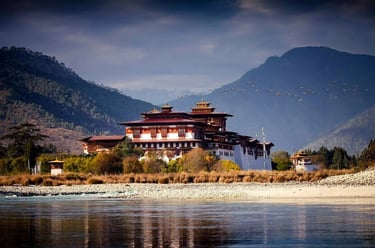
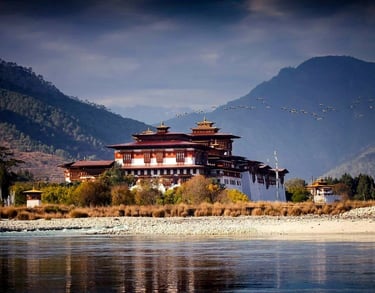
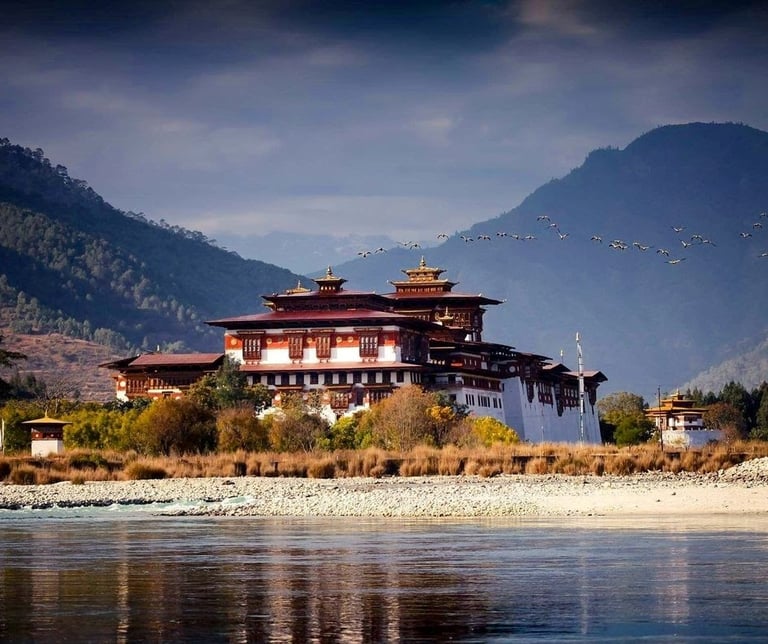
Activities: Hike through rice fields to Chimi Lhakhang, the Temple of Fertility, known for its blessings. Visit Khamsum Yulley Namgyal Chorten, a temple adorned with intricate paintings, and explore Punakha Dzong, the "Palace of Happiness," at the confluence of two rivers. End your day with a traditional hot stone bath at a local farmhouse, where heated river stones and medicinal herbs soothe your body and soul.
Unique Experience: The hot stone bath, a centuries-old ritual, offers relaxation and a deep connection to Bhutanese traditions.
Overnight: In a Premium: 3-Star, 4-Star or 5-Star hotel in Punakha.
Day 6: Punakha to Bumthang – History and Scenic Hikes
Drive to Bumthang via Trongsa, stopping at Trongsa Dzong, a majestic fortress, and the Royal Heritage Museum to explore Bhutan’s royal history. Arrive in Bumthang, the spiritual heartland, and check into a traditional homestay.
Activities: In the evening, hike from Tharpaling Monastery to Kikila Pass, enjoying scenic mountain views and fresh air.
Unique Experience: The visit to a private homestay and hikes provides an intimate glimpse into Bhutan’s rural life and natural beauty.
Overnight: At a Premium, 3-Star, 4-Star or 5-Star hotel in Bumthang.
7,217ft
Activities: Explore Bumthang’s sacred sites, including Tamshing Lhakhang, Kurjey Lhakhang, and Jambay Lhakhang. Hike to Mebar Tsho (Burning Lake), a sacred site where Guru Rinpoche hid treasures. Visit Tang Valley and Ogyen Chholing Manor for a traditional Bhutanese lunch. Return to your homestay for dinner with your host family, sharing stories and experiencing Bhutanese hospitality.
Unique Experience: The hike to Mebar Tsho and a homestay dinner blend spiritual significance with authentic cultural exchange.
Overnight: At a Premium, 3-Star, 4-Star or 5-Star Hotel in Bumthang.
Day 7: Bumthang – Spiritual Heartland and Cultural Immersion
42.2mi
2.3hrs
9,809.7ft
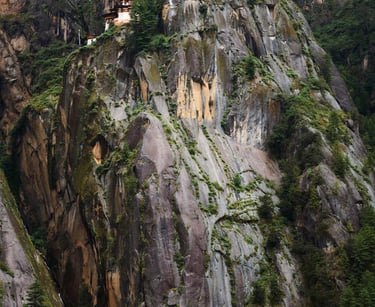
Activities: Embark on the iconic trek to Tiger’s Nest Monastery, perched at 3,120 meters on a cliffside. This sacred site, where Guru Rinpoche meditated, offers breathtaking views and spiritual reflection. For those preferring a less strenuous option, view the monastery from across the valley or take a shorter hike. Visit the ruined Drugyel Dzong, with views of Mount Jomolhari on clear days.
Unique Experience: The trek to Tiger’s Nest is a physical and spiritual pinnacle, leaving you in awe of Bhutan’s sacred landscapes.
Overnight: At A Premium,3-Star, 4-Star or 5-Star hotel in Paro.

Day 10: Paro – Tiger’s Nest Monastery Trek
Day 11: Departure – Farewell to Bhutan
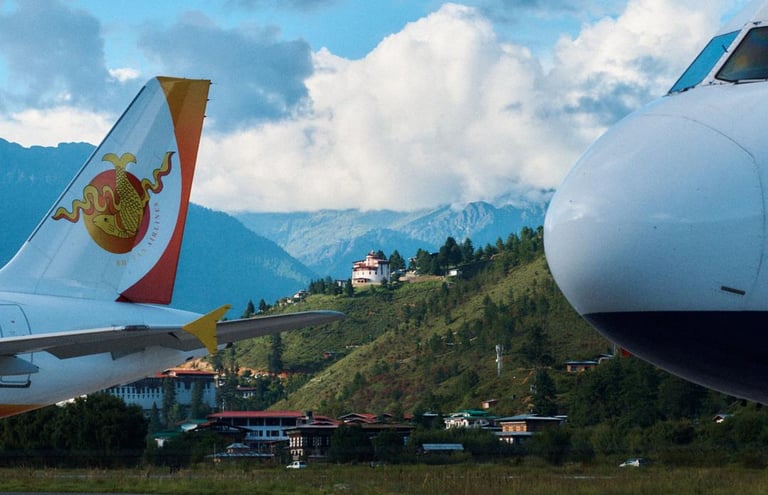
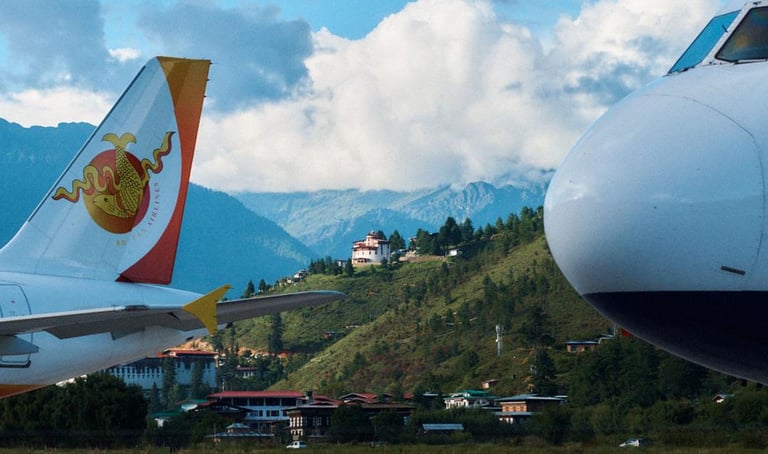
Activities: your Bhutan cultural ambassador will transfer you to Paro International Airport for your departure. Bid farewell with "Tashi Delek" (good luck), carrying memories of a transformative journey.
Unique Experience: A heartfelt goodbye encapsulates Bhutan’s warmth and hospitality.

6 - 8mi
5 -6hrs
1,700ft
4,101ft
2.3Hrs
46.6mi
This day deepens your understanding of Bhutan’s balance between the ever-evolving identity of the world and ancient traditions while preserving its cultural essence.
You will take a 25-minute drive north to Cheri Monastery, the first Drukpa Kagyu monastery in Bhutan, founded in 1620, a spiritual cornerstone. Hike (1-2 hours) for stunning valley view through the rhododendron bushes and pine forest, offering breathtaking vistas of the valley below. Visit the 13 Arts and Crafts School in Kawajangsa to see students mastering Bhutan’s traditional arts, like thangka painting and sculpture. Spend some time at the Jungshi Paper Factory, learning the ancient art of handmade paper from the bark of the Daphne plants. Explore the Chencho Weaving Centre to witness Bhutan’s living culture traditions of vibrant textiles.
Day 5: Thimphu to Punakha via Dochu La Pass – Spiritual and Scenic


Why Choose This Itinerary?
Cultural Immersion: Private Homestay visits, meals with locals, and visits to sacred sites offer authentic connections with Bhutanese life.
Scenic Hikes: Enhanced with hikes to Buddha Point, Mebar Tsho, and Paro Nature Trail, showcasing Bhutan’s Himalayan beauty.
Unique Traditions: Hot stone baths and cultural performances provide rare glimpses into Bhutan’s ancient rituals.
Transformative Experience: Designed to inspire personal growth, this journey blends adventure, spirituality, and cultural discovery.
Culinary Experiences: Bhutanese cuisine is a soulful symphony of bold flavours and heartfelt simplicity. Savour these delights:
Dine at hand-picked restaurants and farmhouses, where farm-to-fork meals celebrate Bhutan’s organic heritage, forging a bond with the land and its people.
Ema Datshi: The national dish: a fiery chilli-cheese stew paired with nutty red rice.
Jasha Maroo: Spicy chicken stew, fragrant with ginger and warmth.
Phaksha Paa: Smoky pork with dried chillies, a robust mountain favourite.
Kewa Datshi: Creamy potatoes in cheese sauce, a comforting embrace.
Momos: Steamed dumplings, a hands-on joy during your cooking class.
Suja: Rich butter tea, a ritual to warm the soul.
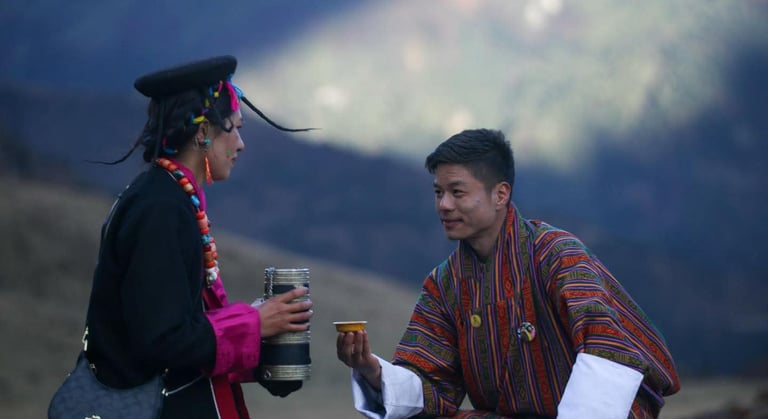
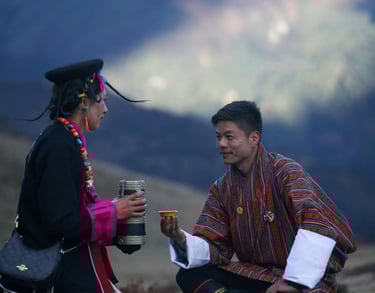
Festival Integration: Bhutan’s tshechus are vibrant celebrations featuring mask dances (cham) and the unveiling of giant thongdrels, offering spiritual merit and cultural immersion. For 2026:
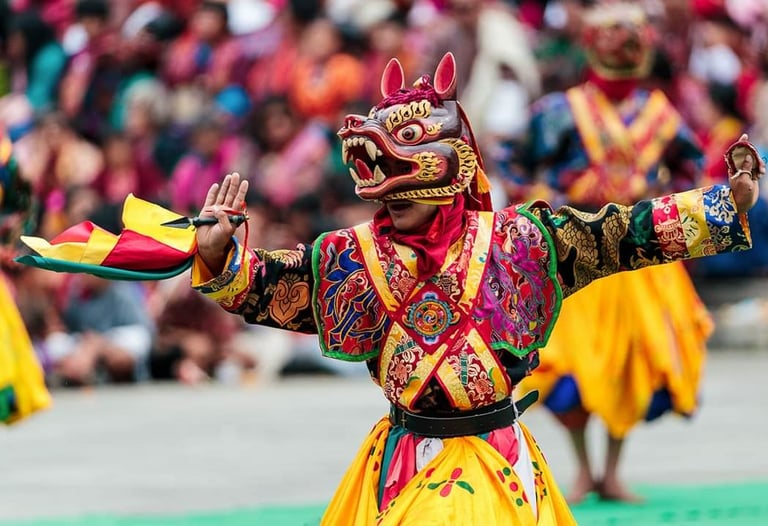

Paro Tshechu (March 29th – April 2nd, 2026) at Dzongchung beside Rinpung Dzong fortress: Features colourful dances and the sacred thongdrel unfurling. Adjust the itinerary to time around March 31st to be in Paro on Day 8 (Paro Tshechu).
Punakha Dromchoe (February 24th - 26th, 2026) at Punakha Dzong fortress: Includes dramatic reenactments and spiritual rituals. Start around February 25th to be in Punakha.
Thimphu Tshechue: (September 21st – 23rd, 2026 at Tendrel Thang beside the majestic Trashichoe Dzong), time your itinerary around September 22nd to be in Thimphu if travelling in autumn.
Bumthang Jambay Lhakhang Drub: (October 26th - 29th, 2026) at the ancient Jambay Lhakhang monastery. Time your itinerary around October 27th to be in Bumthang if travelling in autumn to witness this unique one-of-a-kind festival celebrated in the country.
Practical Considerations:
Accommodation & Food: Every night you will be relaxing in a traditional Bhutanese architecture-inspired high-end, chic-boutique lodges and mountain resorts, each place offering both tranquillity and luxury and at Soednam Zhingkha Heritage Lodge in Haa, representing authenticity while enjoying delectable local cuisines and international dishes alike.
Transportation and Guides: Private vehicles (4WD SUVs or vans) with competent English-speaking guides are provided, ensuring comfort on Bhutan’s winding roads. Be prepared for steep, curvy drives, and consider motion sickness medication.
Altitude Considerations: Most sites are below 3,500m, minimising altitude sickness risks. Stay hydrated and avoid strenuous hikes on the first two days if unaccustomed to altitudes above 2,500m (Altitude Tips).
Dress Code: Dress modestly at religious sites (cover shoulders and knees). A scarf or shawl is useful for quick coverage.
Currency: The Bhutanese Ngultrum (BTN) is pegged to the Indian Rupee. Credit cards are accepted in major towns, but carry cash for rural areas and small purchases.
Packing Essentials: Bring comfortable walking shoes, layers for varying temperatures, sunscreen, a reusable water bottle, and a camera. A small backpack is ideal for hikes.
Local Etiquette: Remove shoes before entering temples or homes. Photography may be restricted in certain monastery areas; always ask permission before photographing people.
Environment: Bhutan is carbon-negative; minimise your ecological footprint by using reusable water bottles and avoiding single-use plastics.
Homestay Interactions: Share meals and stories at Aum Leki Om Farmhouse, connecting with rural Bhutanese life.
Local Activities: Try archery, soak in hot stone baths, and weave with artisans at Khoma village or the Royal Textile Museum in Thimphu.
Festival Attendance: Align your trip with a tshechu for mask dances and communal celebrations.
Spiritual Engagement: Meditate with monks, hoist prayer flags, and participate in rituals to feel Bhutan’s spiritual pulse.
Enhancing Cultural Immersion
Frequently Asked Questions
Q. What’s the Sustainable Development Fee?
The SDF funds Bhutan’s sustainability, supporting free healthcare, education, and conservation. Your trip fuels Gross National Happiness.
Q. When is the best time or the seasonal highlights to visit Bhutan?
A: Spring (March-May): Rhododendrons bloom across valleys, creating vibrant landscapes. Pleasant weather (15-25°C) makes it ideal for trekking and outdoor activities. Visit the Paro Tsechu (March/April) for colourful masked dances. Summer (June-August): The rainy season brings lush greenery and fewer tourists, perfect for cultural immersion. Expect occasional showers; pack waterproof gear. Temperatures range from 20-30°C in the lower valleys. Autumn (September-November): Clear skies and mild weather (10-20°C) offer stunning Himalayan views and vibrant festivals like Thimphu Tsechu. Ideal for photography and cultural events. Winter (December-February): Cold temperatures (0-15°C) and occasional snow in higher altitudes create a serene atmosphere. Phobjikha Valley hosts black-necked cranes, a unique wildlife highlight. The Gangtey Crane Festival (November 11) celebrates their arrival.
Q. How do I get a visa for my Bhutan visit? What are the booking procedures?
A: Drukyul Delights handles it all: visas are pre-arranged through us, with entry stamps issued upon arrival for a seamless start. Book early, especially for festival periods, due to high demand.
Q. Can I tailor this itinerary?
A: Absolutely: add festivals, extra hikes, or personal interests. Contact us to craft your dream journey.
Q. How good is the internet or Wi-Fi connectivity in Bhutan?
A: Wi-Fi is available in hotels, but connectivity may be limited in rural areas like Phobjikha. We pre-arrange a local SIM card with data packages that will last for the entire trip duration for reliable internet.
Q. Are the hikes manageable for beginners?
A: Yes! From easy trails like Gangtey to moderate treks like Tiger’s Nest, our guides pace it to your level, with support like trekking poles.
Q. Do you recommend purchasing any travel Insurance for this trip?
A: Although travel insurance isn’t mandatory anymore, it is highly advisable to purchase one if you are opting for a trekking trip in Bhutan. Please ensure your travel insurance covers high-altitude hiking (e.g., Tiger’s Nest). We can also happily arrange one for you from our local travel insurance service provider based in Bhutan.
Q. Any particular recommendation you have for my health issues?
A: Carry necessary medications, as pharmacies are limited outside Thimphu and Paro. Consult your doctor about altitude precautions and stay hydrated.
Q. Is Bhutanese food too spicy?
A: Chillies reign, but we’ll adjust flavours to your taste. Vegetarian and dietary options abound.
Why Choose Drukyul Delights?
At Drukyul Delights, we redefine luxury travel by fusing opulence with authenticity. Our hand-picked premium hotels—tested sanctuaries of Bhutanese design and modern comfort, cradle you each night.
Traverse rugged mountain roads in our luxurious Japanese Toyota vehicles, built for adventure and ease. Our passionate, qualified guides, local storytellers at heart, transform every site into a living narrative.
Savour farm-to-fork meals at curated restaurants and remote farmhouses, where Bhutan’s organic bounty connects you to the land.
With exclusive access to off-the-beaten-path experiences like private farmhouse visits, crowd-controlled iconic cultural landmark visits and intimate cultural exchanges, we craft a journey that’s as profound as it is indulgent for those seeking luxury, authenticity, and meaning.

”Every day, they strive to improve their service to the clients by developing the right blend of technology and creativity to make sure every job done is done as efficiently as possible.”
- Clarice Turner
Why Us!
Provide a general summary of the services you provide, highlighting key features and benefits for potential clients.


Service title
Write a short text about your service. Highlight key benefits for potential clients.
Service title
Write a short text about your service. Highlight key benefits for potential clients.
Service title
Write a short text about your service. Highlight key benefits for potential clients.
Get in touch
